Home / World News / Defence budget to exceed 3% of GDP in military overhaul, says Taiwan's prez
Defence budget to exceed 3% of GDP in military overhaul, says Taiwan's prez
Along with the latest equipment much of it from the United States, the military is seeking funds to retain more service people with higher pay and to lengthen compulsory national service
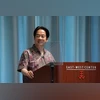
Lai said that Taiwan plans to advance our cooperation with the US and other democracies (Photo: PTI)
Taiwanese President William Lai Ching-te has said that the island's defence budget will exceed 3 per cent of its economic output as it overhauls its military in the face of the rising threat from China.
Along with the latest equipment much of it from the United States, the military is seeking funds to retain more service people with higher pay and to lengthen compulsory national service from four months to one year.
In a speech Thursday to the American Chamber of Commerce, Lai said his administration is determined to "ensure that our defense budget exceeds 3 per cent of the GDP. At the same time, we will continue to reform national defense.
Lai's comments were the latest reassurance to the US and domestic critics who say Taiwan is not spending enough on its own defense. The self-governing island, which relies on the US for much of its cutting-edge weaponry, currently spends about 2.45 per cent of its gross domestic product on its military.
US President Donald Trump has demanded that Taiwan increase defense spending as high as 10 per cent of the GDP, a proportion well above what the U.S. or any of its major allies spend, in order to deter China.
China's actions have also unsettled neighbours in the South China Sea and other parts of the Indo-Pacific.
Leaders in Australia and New Zealand have said China should have given them more warning before its navy conducted an unusual series of live fire exercises in the seas between the two countries last month, forcing flights to divert on short notice.
Lai said that Taiwan plans to advance our cooperation with the US and other democracies in upholding regional stability and prosperity." China considers the self-governing democracy of Taiwan as part of its own territory and has significantly boosted its military to make good on its threat to invade the island to assert its control.
Raymond Greene, the de-facto US ambassador to Taiwan; Dan Silver, the chamber chairperson; and Alaska Gov. Mike Dunleavy attended the speech.
Taiwan and the US have no formal diplomatic ties but American law requires Washington respond to threats toward the island.
(Only the headline and picture of this report may have been reworked by the Business Standard staff; the rest of the content is auto-generated from a syndicated feed.)

 "Defence budget to exceed 3% of GDP in military overhaul, says Taiwan's prez")


