
Ex-nuclear negotiator, female min in list of proposed mins by Iran prez
Araghchi, 61, a career diplomat, was a member of the Iranian negotiating team that reached a nuclear deal with world powers in 2015 that capped Tehran's nuclear program
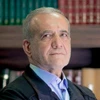 "Ex-nuclear negotiator, female min in list of proposed mins by Iran prez")
Explore Business Standard

Associate Sponsors
Co-sponsor
Araghchi, 61, a career diplomat, was a member of the Iranian negotiating team that reached a nuclear deal with world powers in 2015 that capped Tehran's nuclear program
Iranian President Masoud Pezeshkian on Sunday proposed former nuclear negotiator Abbas Araghchi as the country's new foreign minister and also sought to appoint a woman as roads and housing minister. If approved, she would be Iran's first female minister in more than a decade.
Parliament Speaker Mohammad Bagher Qalibaf read out the list of proposed ministers to lawmakers. The hard-line-dominated chamber will have two weeks to review qualifications and give a vote of confidence to the proposed ministers.
Araghchi, 61, a career diplomat, was a member of the Iranian negotiating team that reached a nuclear deal with world powers in 2015 that capped Tehran's nuclear program in return for the lifting of sanctions.
In 2018, then-President Donald Trump pulled the U.S. out of the deal and imposed more sanctions on Iran. Pezeshkian said during his presidential campaign that he would try to revive the nuclear deal.
Pezeshkian named Gen. Aziz Nasirzadeh, an F-14 Tomcat pilot, as defense minister. He was chief of the Iranian Air Force in 2018-2021. This would be the first time that a member of Iran's air force headed the defense ministry.
Pezeshkian proposed Farzaneh Sadegh as roads and housing minister. Sadegh, 47, is currently a director in the ministry. She would become only the second female minister in Iran since the 1979 Islamic Revolution. It is unclear, however, whether she will be approved. The hard-line parliament seeks more cultural and social restrictions on women based on its interpretations of Islamic sharia. Many lawmakers voiced their opposition when her name was read by the speaker during Sunday's session.
The only previous female minister to be approved by parliament since the revolution was in 2009, when President Mahmoud Ahmadinejad secured a post for Marzieh Vahid Dastgerdi as health minister.
Iranian presidents have, however, appointed women to be vice presidents, a role that is not subject to parliamentary approval. Last week, Pezeshkian appointed Zahra Behrouz Azar as vice president in charge of women's and family affairs.
The first female minister in Iran's history was Farrokroo Parsa, who served as education minister in 1968-1971. Revolutionary authorities executed her after the 1979 revolution that ousted the pro-Western monarchy and brough Islamists to power.
Pezeshkian proposed Eskandar Momeni, a relatively moderate police general, as interior minister. The ministry deals with enforcing the mandatory wearing of the Islamic veil on women. In 2022, the death of Mahsa Amini in police custody after she was arrested for improper wearing of the hijab led to nationwide protests.
Pezeshkian, then a lawmaker, wrote at the time that it was unacceptable in the Islamic Republic to arrest a girl for her hijab and then hand over her dead body to her family.
He in comments has suggested that he wants less enforcement of the hijab law, as well as better relations with the West and a return to the nuclear accord.
The president is likely to face opposition in passing legislation that supports his stated program, however, as the chamber is dominated by hard-liners who mainly supported other candidates during the June- July presidential election.
The president named Mohsen Paknejad as oil minister. Paknejad was formerly a deputy oil minister.
Pezeshkian also proposed to retain current Intelligence Minister Ismail Khatib and current Justice Minister Amin Hossein Rahimi. Pezeshkian also named the current minister of industries, Abbas Aliabadi, as energy minister. On Saturday the president also reappointed Mohammad Eslami as chief of Iran's civilian nuclear program and one of several vice presidents. They all held their posts under President Ebrahim Raisi, who died alongside Foreign Minister Hossein Amir Abdollahain in a May helicopter crash.
Later on Sunday, Mohammad Javad Zarif, a vice president in charge of strategic affairs, resigned from his post over the proposed ministers.
Following Pezeshkian's election, Zarif had been charged with forming the committees to choose ministers for Pezeshkian's administration.
Zarif wrote on the social media platform X that he was not happy with how the composition of Pezeshkian's Cabinet was shaping up, saying he failed to fulfill his promises to include more women, young people and ethnic groups.
(Only the headline and picture of this report may have been reworked by the Business Standard staff; the rest of the content is auto-generated from a syndicated feed.)
First Published: Aug 12 2024 | 8:11 AM IST

