Oil prices fell more than 2 per cent on Monday after multiple reports that Israel and Lebanon had agreed to the terms of a deal to end the Israel-Hezbollah conflict, citing unnamed senior US officials.
Brent crude futures were down 2.45 per cent, or $1.84, at $73.34 a barrel by 11:17 a.m. CST (1717 GMT), while U.S. West Texas Intermediate crude futures were down 2.81 per cent or $2.00, at $69.24 a barrel.
Israel said on Monday it is moving toward a ceasefire in the war with Hezbollah but there are still issues to address, while Lebanese officials voiced guarded optimism but said Israeli Prime Minister Benjamin Netanyahu was not to be trusted.
"It seems the news of a ceasefire between Israel and Lebanon is behind the price drop, though no supply has been disrupted due to the conflict between the two countries and the risk premium in oil has been low already before the latest price decline," said Giovanni Staunovo of UBS.
Oil markets are being pushed up and down on rising or falling supply disruption fears, Phil Flynn, senior analyst at Price Futures Group, said in a Monday note.
"A report that Israel's Prime Minister Netanyahu approves Lebanon ceasefire deal in principle could be a bearish catalyst, yet we must see more details as they become available. Last week the world was stunned as Russia launched supersonic missiles" at Ukraine, Flynn wrote in his energy report.
Both Brent and US WTI contracts last week notched their biggest weekly gains since late September to reach their highest settlement levels since Nov. 7 after Russia fired a hypersonic missile at Ukraine in a warning to the United States and the UK following strikes by Kyiv on Russia using US and British weapons.
OPEC+, at its next meeting on Sunday, may consider leaving its current oil output cuts in place from Jan. 1, Azerbaijan's Energy Minister Parviz Shahbazov told Reuters.
The group, which includes the Organization of Petroleum Exporting Countries plus allies like Russia, has postponed hikes this year amid demand worries.
Azerbaijan is a member of OPEC+, which will meet online on Dec. 1.

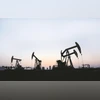 "Oil falls more than 2% after reports of possible West Asia peace deal")



