
Production has resumed at largest oilfield after over 2-week hiatus: Libya
Barzingi al-Zarrouk, the protesters' spokesman, announced that they have suspended their protest after they reached agreement with the company
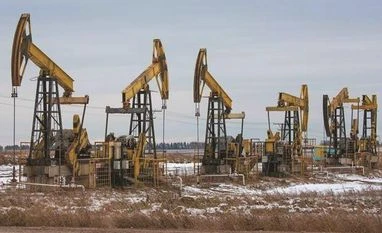 "Production has resumed at largest oilfield after over 2-week hiatus: Libya")
Explore Business Standard
Barzingi al-Zarrouk, the protesters' spokesman, announced that they have suspended their protest after they reached agreement with the company
Libya's state-owned oil company resumed production at the country's largest oilfield Sunday, ending a more than two-week hiatus after protesters blocked the facility over fuel shortages.
The National Oil Corp. said in a terse statement that it lifted the force majeure at the Sharara oil field in the country's south and resumed full production. It didn't provide further details. Force majeure is a legal maneuver that releases a company from its contractual obligations because of extraordinary circumstances.
The company had activated the maneuver on Jan. 7 after protesters from the desert town of Ubari, about 950 kilometers (590 miles) south of the capital, Tripoli, shut down the field to protest fuel shortages.
Over the past two weeks the company's chief, Farhat Bengdara, and military officials from eastern Libya have been negotiating with the protest leaders, Fezzan Group.
Barzingi al-Zarrouk, the protesters' spokesman, announced that they have suspended their protest after they reached agreement with the company.
He said the agreement was brokered by the self-styled Libyan National Army, which is commanded by powerful military general Khalifa Hifter. Hifter's forces control Libya's east and much of the south.
The protesters have reportedly called for rehabilitating infrastructure and repairing roads in the southwestern region of Fezzan, one of the historic three provinces of Libya. They previously closed the field for two days in July.
Libya's light crude has long featured in the country's yearslong civil conflict, with rival militias and foreign powers jostling for control of Africa's largest oil reserves.
Libya has been in turmoil since a NATO-backed uprising toppled and killed longtime dictator Moammar Gadhafi in 2011. The North African nation has for most of the past decade been split between rival administrations in the east and the west, each backed by militias and foreign governments.
(Only the headline and picture of this report may have been reworked by the Business Standard staff; the rest of the content is auto-generated from a syndicated feed.)
First Published: Jan 21 2024 | 8:33 PM IST

