
'This doesn't seem like suicide': Elon Musk on OpenAI whistleblower's death
Poornima Rao, the mother of the OpenAI researcher, raised concerns about the investigation conducted by the San Francisco Police Department
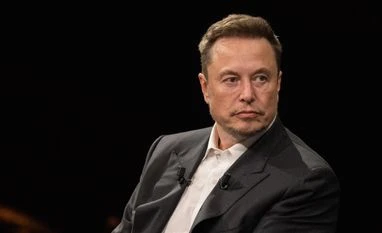 "'This doesn't seem like suicide': Elon Musk on OpenAI whistleblower's death")
Explore Business Standard
Poornima Rao, the mother of the OpenAI researcher, raised concerns about the investigation conducted by the San Francisco Police Department
Elon Musk backed the allegation of foul play in the death of 26-year-old former OpenAI researcher Suchir Balaji, who was found dead after accusing OpenAI of violating copyright laws.
Poornima Rao, the mother of the OpenAI researcher, raised concerns about the investigation conducted by the San Francisco Police Department, which ruled her son's death a suicide. She alleged that her son was murdered and demanded an FBI investigation.
In response to Poornima Rao's post on X, Elon Musk stated, "This doesn't seem like a suicide."
Rao's post on X stated that her son's death was a "cold-blooded murder declared by authorities as suicide."
She revealed that a private autopsy report differed from the initial report by the police. She also noted that Balaji's apartment appeared to have been "ransacked" and that signs of a struggle in the bathroom suggested he had been hit.
"We hired private investigator and did second autopsy to throw light on cause of death. Private autopsy doesn't confirm the cause of death stated by police. Suchir's apartment was ransacked, sign of struggle in the bathroom and looks like some one hit him in bathroom based on blood spots. It's a cold blooded mu*d*r declared by authorities as suicide. Lobbying in San Francisco city doesn't stop us from getting justices. We demand FBi investigation." Poornima Rao wrote on X.
Suchir Balaji was found dead in his apartment in San Francisco months after accusing OpenAI of violating copyright laws while developing ChatGPT. The San Francisco Police Department ruled Balaji's death a suicide, stating no evidence of 'foul play'.
On October 24, before his death, Suchir Balaji expressed skepticism about the "fair use" of generative artificial intelligence products, stating, "I recently participated in a NYT story about fair use and generative AI, and why I'm skeptical 'fair use' would be a plausible defence for many generative AI products."
He added, "To give some context: I was at OpenAI for nearly 4 years and worked on ChatGPT for the last 1.5 of them. I initially didn't know much about copyright, fair use, etc. but became curious after seeing all the lawsuits filed against GenAI companies."
When I tried to understand the issue better, I eventually came to the conclusion that fair use seems like a pretty implausible defense for a lot of generative AI products, for the basic reason that they can create substitutes that compete with the data they're trained on. I've written up the more detailed reasons for why I believe this in my post. Obviously, I'm not a lawyer, but I still feel like it's important for even non-lawyers to understand the law -- both the letter of it, and also why it's actually there in the first place," he wrote.
(Only the headline and picture of this report may have been reworked by the Business Standard staff; the rest of the content is auto-generated from a syndicated feed.)
First Published: Jan 01 2025 | 7:12 AM IST


