Home / World News / Trump to host Philippine president to discuss trade, security in Asia
Trump to host Philippine president to discuss trade, security in Asia
The allies have boosted mutual defense engagements, including large-scale combat exercises in the Philippines, to strengthen deterrence against China's increasingly aggressive actions in the region
The US, Japan and the Philippines have been building a trilateral bloc to broaden security and economic cooperation. (Photo: PTI)
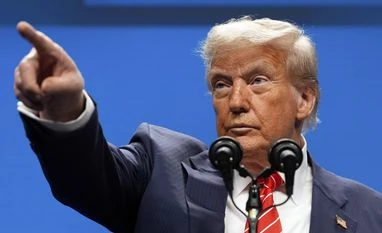
President Donald Trump will host his Philippine counterpart in the White House very soon to discuss how the longtime treaty allies can further deepen their security and economic engagements, the Philippine ambassador to the US said Friday.
No date has been specified for President Ferdinand Marcos Jr.'s meeting with Trump in Washington but Ambassador Jose Manuel Romualdez said that it would happen very soon this month. The allies have boosted mutual defense engagements, including large-scale combat exercises in the Philippines, to strengthen deterrence against China's increasingly aggressive actions in the region.
Among the proposed topics for discussion is strengthening peace through deterrence, Romualdez told The Associated Press by telephone, echoing Defense Secretary Pete Hegseth 's remarks about the US military's plan to ratchet up deterrence against China's increasingly assertive actions in the disputed South China Sea by intensifying military and defense engagements with the Philippines and allied nations in the region.
US Secretary of State Marco Rubio met his Japanese and Philippine counterparts in a meeting Thursday on the sidelines of the Association of Southeast Asian Nations' annual ministerial meetings in Malaysia. The US, Japan and the Philippines have been building a trilateral bloc to broaden security and economic cooperation. ALSO READ: Donald Trump floats 15 or 20% blanket tariffs on most trading partners
We have a great relationship with Japan and the Philippines and work closely with them on the economic corridor, on maritime security and territorial integrity and continue to build upon that partnership, Rubio said after his meeting in Malaysia with Japanese Foreign Minister Takeshi Iwaya and Philippine Foreign Secretary Theresa Lazaro. The White House looks forward to hosting the president of the Philippines in Washington in a few days.
The US has repeatedly warned that it is obligated to defend the Philippines, its oldest treaty ally in Asia, if Filipino forces, ships or aircraft come under armed attack, including in the South China Sea. China, the Philippines, Vietnam, Malaysia, Brunei and Taiwan have been involved in long-unresolved territorial conflicts in the busy sea passage, a key global trade route.
Japan also has a separate territorial conflict with China over small, Japanese-controlled islands in the East China Sea.
(Only the headline and picture of this report may have been reworked by the Business Standard staff; the rest of the content is auto-generated from a syndicated feed.)

 "Trump to host Philippine president to discuss trade, security in Asia")


