
Understanding the deadly floods that have taken over 200 lives in Spain
With no time to react, people were trapped in vehicles, homes and businesses. Many died and thousands saw livelihoods shattered
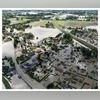 "Understanding the deadly floods that have taken over 200 lives in Spain")
Explore Business Standard
With no time to react, people were trapped in vehicles, homes and businesses. Many died and thousands saw livelihoods shattered
In a matter of minutes, flash floods caused by heavy downpours in eastern Spain swept away everything in their path.
With no time to react, people were trapped in vehicles, homes and businesses. Many died and thousands saw livelihoods shattered.
Four days later, authorities have recovered 205 bodies 202 of them in the eastern Valencia region, two in Castilla La Mancha and one in Andalusia. They continued to search for an unknown number of missing people on Friday.
Thousands of volunteers were helping to clear away the thick layers of mud and debris that still covered houses, streets and roads, all while facing power and water cuts and shortages of some basic goods. Inside some of the vehicles that the water washed into piles or crashed into buildings, there were still bodies waiting to be identified.
Here are a few things to know about Spain's deadliest storm in living memory: What happened? The storms concentrated over the Magro and Turia river basins and, in the Poyo riverbed, produced walls of water that overflowed riverbanks, catching people unaware as they went on with their daily lives, with many coming home from work on Tuesday evening.
In the blink of an eye, the muddy water covered roads, railways and entered houses and businesses in villages on the southern outskirts of Valencia city. Drivers had to take shelter on car roofs, while residents tried to take refuge on higher ground.
Spain's national weather service said that in the hard-hit locality of Chiva it rained more in eight hours than it had in the preceding 20 months, calling the deluge extraordinary.
When the authorities sent the alert to mobile phones warning of the seriousness of the phenomenon and asked them to stay at home, many were already on the road, working or covered in water in low-lying areas or garages, which became death traps.
Why did these massive flash floods happen? Scientists trying to explain what happened see two likely connections to human-caused climate change. One is that warmer air holds and then dumps more rain. The other is possible changes in the jet stream the river of air above land that moves weather systems across the globe that spawn extreme weather.
Climate scientists and meteorologists said the immediate cause of the flooding is called a cut-off lower pressure storm system that migrated from an unusually wavy and stalled jet stream. That system simply parked over the region and poured rain. This happens often enough that in Spain they call them DANAs, the Spanish acronym for the system, meteorologists said.
And then there is the unusually high temperature of the Mediterranean Sea. It had its warmest surface temperature on record in mid-August, at 28.47 degrees Celsius (83.25 degrees Fahrenheit), said Carola Koenig of the Centre for Flood Risk and Resilience at Brunel University of London.
The extreme weather event came after Spain battled with prolonged droughts in 2022 and 2023. Experts say that drought and flood cycles are increasing with climate change.
Has this happened before? Spain's Mediterranean coast is used to autumn storms that can cause flooding, but this episode was the most powerful flash flood event in recent memory.
Older people in Paiporta, ground zero of the tragedy, claim that Tuesday's floods were three times as bad as those of 1957, which caused at least 81 deaths and were the worst in the history of the tourist eastern region. That episode led to the diversion of the Turia watercourse, which meant that a large part of the city was spared of these floods.
Valencia suffered two other major DANAs in the 1980s, one in 1982, with around 30 deaths, and another one five years later, which broke rainfall records.
This week's flash floods are also Spain's deadliest natural tragedy in living memory, surpassing the flood that swept away a campsite along the Gallego river in Biescas, in the northeast, killing 87 people in August 1996.
What has the state response been? The management of the crisis, classified as level two on a scale of three by the Valencian government, is in the hands of the regional authorities, who can ask the central government for help in mobilizing resources.
At the request of Valencia's president, Carlos Mazon, of the conservative Popular Party, Socialist Prime Minister Pedro Sanchez announced Saturday the deployment of 5,000 more soldiers who will join rescue efforts, clear debris and provide water and food over the weekend.
The government will also send 5,000 more national police officers to the region, Snchez said.
At present there are some 2,000 soldiers from the Military Emergency Unit, the army's first intervention force for natural disasters and humanitarian crises, involved in the emergency work, as well as almost 2,500 Civil Guard gendarmes who have carried out 4,500 rescues during the floods and 1,800 national police officers.
When many of those affected said they felt abandoned by the authorities, a wave of volunteers took the streets to help. Carrying brooms, shovels, water and basic foods, hundreds of people have walked several kilometers each day to deliver supplies and help clean up the worst-affected areas.
Sanchez's government is expected to approve a disaster declaration on Tuesday that will allow quick access to financial aid. Mazon has announced additional economic assistance.
The Valencia regional government had been criticised for not sending out flood warnings to mobile phones until 8 pm on Tuesday, when the flooding had already started in some places and well after the national weather agency issued a red alert indicating heavy rains.
(Only the headline and picture of this report may have been reworked by the Business Standard staff; the rest of the content is auto-generated from a syndicated feed.)
First Published: Nov 02 2024 | 5:44 PM IST


