
US presidential elections: Trump faces criminal case for poll interference
Trump's lawyers told the judge that basic fairness to criminal defendants warrants pausing the civil cases until after the 2020 election criminal case is resolved
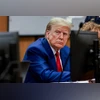 "US presidential elections: Trump faces criminal case for poll interference")
WebinarsNew
Deep DiveNew
Explore Business Standard
Trump's lawyers told the judge that basic fairness to criminal defendants warrants pausing the civil cases until after the 2020 election criminal case is resolved
Donald Trump lost a bid Thursday to pause a string of lawsuits accusing him of inciting the US Capitol attack, while the former president fights his 2020 election interference criminal case in Washington.
US District Judge Amit Mehta in Washington denied defense lawyers' request to put the civil cases seeking to hold Trump responsible for the Jan. 6, 2021, riot on hold while the criminal case accusing him of conspiring to overturn his election defeat to President Joe Biden plays out.
It's the latest legal setback for the presumptive Republican presidential nominee, whose trial in a separate criminal case related to hush money payments made during the 2016 campaign began this week with jury selection in New York.
The lawsuits brought by Democratic lawmakers and police officers who defended the Capitol on Jan. 6 seek civil damages for harm they say they suffered during the attack, which aimed to stop Congress' certification of Biden's victory.
Trump has claimed he can't be sued over the riot that left dozens of police officers injured, arguing that his words during a rally before the storming of the Capitol addressed matters of public concern and fell within the scope of absolute presidential immunity.
Washington's federal appeals court ruled in December that the lawsuits can move forward, rejecting Trump's sweeping claims that presidential immunity shields him from liability. The court, however, said Trump can continue to fight, as the cases proceed, to try to prove that his actions were taken in his official capacity as president.
In court papers filed last month, Trump's lawyers told the judge that basic fairness to criminal defendants warrants pausing the civil cases until after the 2020 election criminal case is resolved. They argued that allowing the lawsuits to proceed could force Trump to prematurely telegraph" his defense strategies in the criminal case.
Mehta, who was appointed to the bench by former President Barack Obama, said the public has an interest in the prompt resolution of the civil lawsuits in addition to the criminal case. And the judge said appropriate safeguards can be put in place to allow for the lawsuits to advance without infringing on Trump's Fifth Amendment right to avoid self-incrimination.
The Supreme Court is set to hear arguments next week on Trump's claim that he is immune from criminal prosecution in the election interference case brought by special counsel Jack Smith. The ruling will determine whether Trump will have to stand trial in the case accusing him of a sprawling conspiracy to stay in power after Americans voted him out of office.
(Only the headline and picture of this report may have been reworked by the Business Standard staff; the rest of the content is auto-generated from a syndicated feed.)
First Published: Apr 19 2024 | 7:23 AM IST


 Connect with us on WhatsApp