
What to know about massive dust storms called haboobs in Southwest US
Thunderstorms spawn the phenomenon and can create a wall of dust thousands of feet tall and several miles wide, reaching speeds of 60 mph (97 kpm) or more
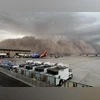 "What to know about massive dust storms called haboobs in Southwest US")
WebinarsNew
Deep DiveNew
Explore Business Standard
Thunderstorms spawn the phenomenon and can create a wall of dust thousands of feet tall and several miles wide, reaching speeds of 60 mph (97 kpm) or more
Massive walls of dust and debris called haboobs that roll through the Southwest U.S. can be awe-inspiring and terrifying, especially for motorists caught in their path.
Thunderstorms spawn the phenomenon and can create a wall of dust thousands of feet tall and several miles wide, reaching speeds of 60 mph (97 kpm) or more.
Here's what to know:
Thunderstorms can produce strong downdrafts that hit the ground at 50-80 mph (80-129 kph) and then spread in all directions, said Sean Benedict, a meteorologist at the National Weather Service's Phoenix office.
The winds stir up loose dust and dirt, including from arid areas and farm fields, that get blown along in front of the approaching storm cell.
If thunderstorms don't keep developing, the dust dissipates. But rain-cooled air in front of a storm can keep pushing warm air upward, generating new storms and more downdrafts, Benedict said.
When that happens, the haboob can keep growing, and some travel as far as 100 miles, Benedict said.
It's all dependent on whether they're moving through an area that's prone to (generating) dust, said Benedict, noting that there's a prominent dust corridor between Phoenix and Tucson.
Haboobs also can form in arid areas of Nevada, New Mexico and Texas.
Scientists say monsoons localized bursts of rain in the Southwest during summer months have become more intense since the 1970s as the atmosphere heats up due to human-caused climate change.
At the same time, it's raining less often as droughts last longer and some arid areas expand. Climate change increases the odds of both severe drought and heavier storms that could set the stage for more intense dust storms in the future.
Benedict said it's difficult to say whether haboobs will become more frequent.
The storms require a specific set of circumstances, and land use, such as farming, can affect how much dust gets picked up, Benedict said.
Not all dust storms are haboobs, which are specifically associated with downdrafts from thunderstorms.
The National Oceanic and Atmospheric Administration says the Phoenix area experiences one to three large dust storms a year.
The National Weather Service issues dust warnings if it anticipates that thunderstorms and high winds moving through dust-prone areas could reduce visibility to a quarter mile or less. That's especially important when conditions are favorable for clusters of storms, Benedict said.
Haboobs can form quickly, catching drivers by surprise, blotting out the sun and reducing visibility to zero. Experts recommend that motorists pull off the roadways as far as possible, stop their vehicles and turn off their lights.
People on the roads when they can't see anything, they're just gonna try to follow those tail lights in front of them, and run into parked cars, Benedict said. If there is an accident, you might not know and you just get these big pile ups. So it's definitely very dangerous when the visibility drops down that low.
(Only the headline and picture of this report may have been reworked by the Business Standard staff; the rest of the content is auto-generated from a syndicated feed.)
First Published: Aug 27 2025 | 7:45 AM IST


 Connect with us on WhatsApp