Home / World News / Why Barcelona may be forced to have fresh water shipped in by boats
Why Barcelona may be forced to have fresh water shipped in by boats
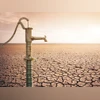
Catalonia is suffering its worst drought on record with reservoirs that provide water for about 6 million people, including Spain's Barcelona, filled to just 18 per cent of their capacity
Barcelona has already been relying on Europe's largest desalination plant for drinking water. (Representative)
Tighter water restrictions for drought-stricken northeast Spain went into effect Wednesday, when authorities in Catalonia said that Barcelona may need to have fresh water shipped in by boat in the coming months.
Catalonia is suffering its worst drought on record with reservoirs that provide water for about 6 million people, including Spain's second-biggest city Barcelona, filled to just 18 per cent of their capacity. By comparison, Spain's reservoirs as a whole are at 43 per cent of their capacity.
Spanish authorities and experts point to the impact of climate change in the increasingly hot and dry weather behind the extended drought in Catalonia.
Barcelona has already been relying on Europe's largest desalination plant for drinking water, and a sewage treatment and purification plant to make up for the drop in water from wells and rivers.
Catalonia officially entered the pre-emergency phase for drought, which lowers the daily use per person from 230 to 210 liters (60 to 55 gallons) of water per day. That includes personal use as well as what town halls use per inhabitant for services. Catalonia's water agency says that the average person in Catalonia consumes on average 116 liters (30 gallons) per day for domestic use.
Municipal governments are now prohibited from using drinking water for street cleaning or to water lawns. Water limits for use in industry and agriculture have been increased.
If water reserves fall below 16 per cent capacity, then Catalonia would enter into a full-blown drought emergency whereby water would be limited to 200 liters (52 gallons) per person, and then potentially dropped down to 160 liters (42 gallons) per person, and all irrigation in agriculture would require previous approval.
Authorities have warned that the drought emergency could just be weeks away, unless it rains a lot.
If not, then Barcelona could need tankers to bring in drinking water. In 2008, that extremely expensive measure was used to keep the city supplied during a drought.
Unfortunately, we have to be prepared for every scenario, and we are close to needing boats to bring in water if the situation that we have seen over the past months continues, Catalonia regional president Pere Aragons said during a trip to South Korea on Wednesday.
Aragons said that his administration was working with Spain's ministry for the ecological transition to prepare for the eventuality of the water tankers. He added that his administration would prefer to bring in water for southern Catalonia where the Ebro River meets the Mediterranean Sea.
(Only the headline and picture of this report may have been reworked by the Business Standard staff; the rest of the content is auto-generated from a syndicated feed.)


 "Why Barcelona may be forced to have fresh water shipped in by boats")


