


Covid-19 cases cross 250 mark in India: Should you worry about JN.1 variant?
Doctors explain what the Covid JN.1 variant is, its symptoms, vaccine protection, testing options, and what precautions Indians should take amid rising cases in Asia
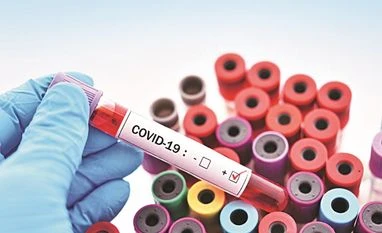 "Covid 19, Covid-19, covid")
Covid JN.1 Variant Spread 2025: The symptoms of JN.1 are similar to previous Covid-19 variants, and most cases remain mild.
Listen to This Article
Covid spreads across Asia as India records 257 active cases
A new wave of Covid-19 has quietly taken hold across parts of Asia, from Singapore and Hong Kong to India and Thailand. India is witnessing a modest increase in cases, with 257 active infections reported nationwide as of May 19, according to data from the Ministry of Health and Family Welfare (MoHFW). The infections in Singapore increased to over 14,000 in early May 2025, up from 11,100 cases in the last week of April. But what’s fuelling this surge? Meet JN.1, a highly transmissible descendant of Omicron.
The surge in Singapore and Hong Kong has been linked to the LF.7 and NB.1.8 variants, sub-lineages of the broader JN.1 variant. However, health officials in India have not confirmed the presence or spread of JN.1 variants within the country so far.
What is JN.1 and how is it different from earlier Covid strains?
According to Yale Medicine, the JN.1 strain is a close relative of BA.2.86 (informally referred to as ‘Pirola’), a lineage of the Omicron variant. “A difference between BA.2.86 and JN.1 is that the latter has one mutation in its spike protein, a single change that may or may not alter any of the traits that characterise the virus, although preliminary research shows that it may provide extra immune evasion,” it added. First detected in August 2023 and later classified as a Variant of Interest by the World Health Organization (WHO) in December 2023, JN.1 has some 30 mutations that help it sneak past our immune defences.
This variant has even evolved with additional mutations that may make it spread more efficiently than its predecessors, according to Yale Medicine.
Although it’s genetically clever, doctors say it’s not necessarily more severe. Still, its ability to evade immunity is what makes it tricky. “The current JN.1 variant is not more severe than past variants but is more transmissible. That’s why it’s causing concern across Asia,” said Dr Sandeep Budhiraja, Group Medical Director – Max Healthcare & Senior Director – Institute of Internal Medicine.
Why is there a rise now and could India face a summer wave?
According to Dr Diksha Goyal, Senior Consultant, Internal Medicine, Marengo Asia Hospitals, Gurugram, the current wave—especially during summer when respiratory illnesses usually dip—is unusual. The surge is likely being driven by waning immunity, as most people received their vaccines long ago and haven’t had booster shots in recent times. “This unusual summer wave is being linked to waning immunity, since many people haven’t received booster doses in over a year,” she said. “Covid-19 hasn’t disappeared,” said Dr Budhiraja. “It’s become endemic and will likely cause periodic spikes. What’s important is to monitor these carefully, especially through genomic surveillance.”
How does JN.1 spread and how contagious is it?
According to doctors, JN.1 is more efficient at spreading compared to its parent strains. Its mutations help it attach more easily to human cells and dodge some immune responses. The virus spreads the same way as earlier Covid variants:
- Airborne droplets from talking, coughing, or sneezing
- Close contact in crowded or poorly ventilated indoor spaces
- Contaminated surfaces (less common but still possible)
What are the symptoms of JN.1 Covid infections?
The symptoms of JN.1 are similar to previous Covid-19 variants, and most cases remain mild. Common symptoms include:
- Sore throat
- Runny or blocked nose
- Dry cough
- Fever and chills
- Headache
- Muscle achesFatigue or exhaustion
- Nausea or diarrhoea
- Loss of smell or taste (less common now)
“There’s nothing unusual about the symptoms; it behaves like earlier Omicron strains,” said Dr Budhiraja. “But people with weaker immune systems may experience more fatigue.” Doctors said that most cases are mild and can be managed at home. However, high-risk individuals—such as the elderly, people with diabetes or heart disease, or those on immunosuppressants—should remain extra cautious. “Most patients recover well, but we are seeing more moderate cases in high-risk groups,” noted Dr Goyal.
How is JN.1 detected through testing?
“Standard real-time reverse transcription polymerase chain reaction (RT-PCR) tests are used for diagnosis,” explains Dr Niranjan Patil, AVP at Metropolis Healthcare. “If a sample tests positive, it is then sent for genomic sequencing to identify the specific variant, such as JN.1.” Main testing options include:
- RT-PCR (gold standard, accurate but takes 24–48 hours)
- Rapid Antigen Tests (RATs) (faster but less sensitive)
- Multiplex PCR tests (such as BioFire, QIAstat) that check for Covid along with other respiratory viruses
Test costs: As per government capping, most labs charge between ₹500–₹800 for RT-PCR. Multiplex tests are more expensive.
Do vaccines still work against JN.1?
Yes, they do—at least to a significant extent. “Updated Covid-19 boosters provide significant protection against symptomatic JN.1 infections,” says Dr Budhiraja. “They also significantly reduce the risk of severe disease and hospitalisation.” Even though no JN.1-specific vaccines are available yet, health experts strongly recommend booster doses, especially for those in vulnerable groups.
Should people start wearing masks again?
Doctors recommend mask use, especially in crowded indoor settings or if you’re in a high-risk group.
Precautionary measures:
- Wear a well-fitting mask in public indoor spaces
- Wash hands frequently
- Avoid crowded places if you’re feeling unwell
- Get your booster dose if you haven’t yet
- Stay home and isolate if you test positive
“It’s not about panic, it’s about preparedness,” says Dr Budhiraja.
Is JN.1 a cause for panic in India?
No. There’s absolutely no need to panic. India’s numbers are still low, and most cases are mild. But this resurgence is a wake-up call that Covid-19 isn’t gone—it’s just in a different phase. Think of it like the seasonal flu: manageable but still a threat to the vulnerable. Doctors have called for stronger collaboration between countries and better reporting to help stay ahead of future waves and avoid another global pandemic. “Genomic surveillance helps identify emerging variants and track their spread,” said Dr Budhiraja. “It is also crucial for updating treatment guidelines and vaccine strategies.”
For more health updates and wellness insights, follow #HealthWithBS
More From This Section

 "WHO, World Health Organisation, Bird flu")

 "Weight loss drugs, Wegovy, Ozempic, Zepbound, and Mounjaro")
 "Former United States President Joe Biden")
 "Covid 19, Covid-19, covid")
Topics : Coronavirus Coronavirus News Coronavirus Latest News Health with BS BS Web Reports Coronavirus Tests Coronavirus Vaccine Corona Remedies Flu health news Health Ministry Vaccination flu pandemic
Don't miss the most important news and views of the day. Get them on our Telegram channel
First Published: May 20 2025 | 1:12 PM IST