


US citizenship rules: Stricter civics, English test, neighbourhood check
From October 2025, US citizenship applicants will face a tougher civics and English test, stricter moral checks and even neighbourhood investigations
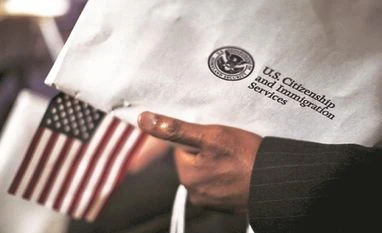 "US Citizenship and Immigration Services")
US citizenship is a privilege, not a right: USCIS
Listen to This Article
US citizenship rules: Applying for a US citizenship is set to get tougher. The United States Citizenship and Immigration Services (USCIS) last week announced the first set of changes to the naturalisation civics test, part of a multi-step overhaul of the American citizenship process.
The new civics test, which takes effect from October 20, 2025, will place greater weight on applicants’ knowledge of US history and government, as required under law.
Integrity of naturalisation process in focus
USCIS said the reforms are intended to strengthen the process and ensure only those who meet all eligibility requirements are approved. Applicants must show they can read, write and speak English, and that they understand US government and civics.
“American citizenship is the most sacred citizenship in the world and should only be reserved for aliens who will fully embrace our values and principles as a nation,” said Matthew Tragesser, spokesperson for USCIS. “These critical changes are the first of many.”
Alongside the civics test, the agency has moved to tighten reviews of disability exceptions to the civics and English requirements. Officers have also been given updated guidance for assessing what constitutes ‘good moral character’, a factor that now carries more weight in deciding applications.
Also Read

 "American neighbour")
 "Trump's tariffs on India")
 "international student, immigrants")
 "US visa")
 "Donald Trump, Trump")
Neighbourhood checks and stricter reviews
As part of this expanded scrutiny, USCIS has resumed neighbourhood investigations to verify whether applicants meet statutory requirements. Officials have also spelt out that unlawful voting, unlawful voter registration and false claims to US citizenship will disqualify someone from proving good moral character.
Further measures, the agency said, will be announced in the coming weeks to “further enhance the integrity of the naturalisation process”. Study materials, sample questions and implementation details for the new civics test are already available through the USCIS Citizenship Resource Center.
Good moral character under scrutiny
This sharper focus on moral character has become one of the most debated changes, since it shifts the evaluation from a simple checklist to a more open-ended judgement.
According to Moumita Rahman, a New York-based immigration attorney, officers now have far greater discretion to decide whether someone is “good enough” to become a citizen.
“Good moral character was handled like a simple checklist. Officers looked for simple problems like criminal convictions, unpaid taxes, unpaid child support. If you stayed clear of these issues, you were usually just fine. But now this checklist has been replaced with something a lot more subjective,” Rahman said in a video post.
She explained that officers are now allowed to consider wider aspects of someone’s life. “It could be about traffic tickets, debt problems, whether you’ve been steadily employed, whether you’re active in your community and even about things that you have posted online,” she said.
Rahman added that previously officers mostly examined the three to five years before an application. “Now they can bring up things from decades ago, and if they find anything negative, they are charged with weighing the good versus the bad, except now the good or the bad factors are really per what they believe them to be.”
More From This Section
 "Portugal")
 "US visa, US students")
 "H-1b visa, US, students")
 "Tourists")
 "US visa")
Don't miss the most important news and views of the day. Get them on our Telegram channel
First Published: Sep 26 2025 | 1:39 PM IST