“The road map is clear. We have to wait at least two years to fulfil the criteria given the current situation. It is a wait-and-watch approach. By then, others will have become established, and we will have greater clarity,” Thomas said.
ESAF SFB had earlier said that it is exploring applying for a universal banking licence. However, stress in the microfinance segment led the bank reporting losses beginning in the second quarter of 2024-2025 FY25 (Q2 FY25), after previously being profitable.
After shifting its focus towards secured lending, the bank reported a profit of ₹7 crore in the third quarter of FY26—its first profitable quarter in the financial year. It had reported a loss of ₹115.81 crore in the previous quarter.
Asset quality saw a meaningful turnaround during the quarter, with gross NPA reducing to 5.6 per cent from 8.5 per cent in the previous quarter and net NPA declining to 2.7 per cent from 3.8 per cent. The bank aims to lower its NNPA ratio to 1–1.5 per cent by the end of FY27.
The gross non-performing asset (GNPA) ratio of the bank stood at 6.9 per cent at the end of FY25 and NNPA was at 2.9 per cent as on March 31, 2025.
The GNPA ratio of the bank was at 4.8 per cent and NNPA ratio was at 2.3 per cent at the end of March 31, 2024.
According to Reserve Bank of India (RBI) guidelines, only listed SFBs are eligible to apply for a universal banking licence. Also, SFBs applying for the same must have a minimum net worth of ₹1,000 crore, scheduled bank status, and a satisfactory operational track record of at least five years. Additionally, banks must have been consistently profitable, with GNPA ratio below 3 per cent and NNPA under 1 per cent over the previous two financial years.
Following the issuance of these guidelines, AU Small Finance Bank, Jana Small Finance Bank, and Ujjivan Small Finance Bank applied for universal banking licences. While AU SFB received the RBI’s approval, Jana SFB’s application was returned due to non-fulfilment of eligibility criteria. RBI is yet to announce its decision on Ujjivan SFB.
Amid the stress in the microfinance sector in the last financial year (FY25), ESAF SFB’s slippages and asset quality took a hit.
It has been gradually increasing its focus on the secured segment with the share of its secured portfolio rising to 63 per cent as of December 2025, compared with 45 per cent a year earlier. The unsecured portfolio declined to 37 per cent as banks reduced exposure to microfinance. ESAF SFB plans to limit its unsecured book to 30–35 per cent over the long term.
“We will be maintaining the secured book at around 60–65 per cent. Our unsecured book will be around 30–35 per cent on a sustainable basis,” Thomas said.
Within the secured segment, growth in the gold loan portfolio—up 40 per cent year-on-year (YoY)—helped improve net interest margins (NIMs) and overall profitability. NIMs rose to 6.6 per cent in Q3FY26 from 5.9 per cent in Q2FY26, though they remained below the 7.7 per cent, recorded in Q3FY25.
The bank continues to focus on its MARG strategy, encompassing MSME, agriculture, retail, and gold loans. Advances grew 13.1 per cent as of December 31, 2025, and the bank expects to close FY26 with credit growth of 15–20 per cent, driven primarily by secured lending. Deposit growth is projected at 7–10 per cent by the end of FY26.


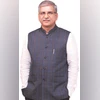 "esaf sfb md paul thomas said that the bank would be maintaining the secured book at around 60-65%")