


Tata Tech lists at 140% premium; Should you buy, sell or hold the stock?
The handsome gains were expected due to the robust demand for the IPO, which was subscribed 69 times against the shares on offer
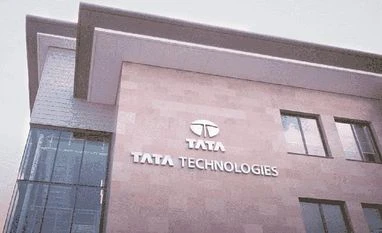 "Tata Technologies")
premium
4 min read Last Updated : Nov 30 2023 | 11:11 AM IST
Listen to This Article
The automotive engineering service provider Tata Technologies made its stock market debut with a bang on Thursday, far exceeding expectations on Dalal Street.
The stock listed at Rs 1,200 on the BSE, more than doubling investors' money. This was a premium of 140 per cent over the issue price of Rs 500.
Just prior to its debut, the share was commanding a premium of 86 per cent or Rs 430 in the grey market.
The share extended the rally and touched an intra-day high of Rs 1,400, up 180 per cent over the issue price.
The handsome gains were expected due to the robust demand for the IPO, which was subscribed 69 times against the shares on offer.
This is the first initial public offering (IPO) listing from the Tata Group after over 19 years. Tata Consultancy Services was the group's last IPO in 2004.
The Tata Group’s lineage, which is attached to the engineering outsourcee company, analysts say, is one of the major reasons driving the euphoria among investors.
Analysts remain upbeat on the company’s prospects and believe it is a good long-term bet, however, the sharp debut gains can be used to book some profits, they suggest.
"The company’s capabilities make the stock a good long-term bet, however, given the sharp gains on debut, investors can book the listing gains and wait to re-enter at lower levels for value buying," said Ravi Singh, an independent research analyst.
Its inexpensive valuations, supported by a strong financial track record and large headroom for growth in the manufacturing-led engineering service industry are key catalysts for the stock, experts note.
"Given the growth potential in outsourcing, the firm's services would see great demand ahead. Allotted investors should book 50 per cent of profits above Rs 1,400 and retain the rest for long term. Those who failed to get allotments can buy on each dip," said Prashanth Tapse, research analyst at Mehta Equities.
Only long term investors should consider the stock at the current levels, according to Rajnath Yadav, research analyst at Choice Broking. Yadav suggests short term investors to book profits.
Only long term investors should consider the stock at the current levels, according to Rajnath Yadav, research analyst at Choice Broking. Yadav suggests short term investors to book profits.
The Tata Group company primarily offers outsourced product and process engineering services in the automotive sector, which contributed 89 per cent of its services revenue in FY23.
The services business comprised 80 per cent of its overall FY23 revenue.
There is significant headroom for the company in the ER&D industry with only 5.5 per cent of the global ER&D spending currently being outsourced.
Of the overall ER&D, automotive ER&D spending accounts for just 10 per cent and is expected to see a compounded annual growth rate (CAGR) of 7 per cent from $180 billion in 2022 to $ 238 billion by 2026.
The company being a pure-play manufacturing focused ER&D company, primarily serving the automotive industry, will benefit from the growth in the industry, analysts at Nirmal Bang Securities had said in the IPO note.
Tata Tech also boasts a robust client base of global original equipment manufacturers (OEMs) and electric vehicle makers. The company counts Tata Motors and Jaguar Land Rover as its 'anchor clients'.
"The company plans to strengthen relationships with existing clients, target new high potential accounts with large annual ER&D spends and new energy vehicle companies. ROE and ROCE also improved and stood at 20.9 per cent and 24.3 per cent respectively for FY23," said Nirmal Bang analysts.
Analysts at InCred Equities had recommended subscribing to the IPO given the long term opportunities in the ER&D segments of automotive, aerospace, size and scale to participate in the same and scope to improve margins and cash flow going ahead.
The client specific challenges in a high client concentration portfolio, significant growth in technology solutions, which could limit potential margin expansion are downside risks, the brokerage said.