For one, the agreement has been signed with a faction that is considered less powerful. The extremist faction, Ulfa (Independent), led by founder member Paresh Baruah, which split from the group in 2012 and has its headquarters across the border in Myanmar, is not a signatory. As such, with camps across the border in Myanmar, disruptive threats from Ulfa (I) remain, not least because the latest accord contains no commitment to protect the culture and identity of the Assamese people, a foundational demand that found mention in the famous Assam Accord of 1985. For another, the progress on accords in the Northeast — famously known as the land of accords — has been decidedly mixed across regimes. A peace agreement with the Nagas, for instance, has been hanging fire since 2015, with the National Socialist Council of Nagaland (Isak-Muivah) refusing to budge from its demand for a separate flag and constitution for the Nagas. This intransigence has, in turn, stalled talks with another faction of seven Naga groups. Meanwhile, ethnic turmoil in formerly peaceful Manipur remains a challenge.
The other element of uncertainty is the civil war in Myanmar, which offers insurgent groups opportunities for setting up safe havens and resource mobilisation. Indeed, hostilities between that country’s ethnic groups and the military have been a setback in the context of peace in the Northeast. The two successful Northeast accords in the history of independent India have been with Mizoram (1986), which saw Mizo insurgents integrated into the democratic process, and with leaders of the Bodoland movement (2020). Both were the result of active diplomatic outreach and close military cooperation with Bangladesh, Bhutan, and Myanmar, once safe havens for these groups, in helping curb insurgency. In fact, Bangladesh, under Sheikh Hasina, and the Myanmarese military were the key to clamping down on these elements.
But the gains may be weakened with Myanmar’s civil war, which has seen Chin State inhabitants seek refuge in Mizoram, which has declined to repatriate them despite Naypyidaw’s request to New Delhi. This apart, growing lawlessness on the Sino-Myanmar border, where ethnic groups run drug- and gun-running rackets, has revived the prospects for Indian insurgent groups setting up cross-border havens with impunity. Given the contemporary ethno-politics, the agreement with a minor faction of Ulfa could yield modest progress rather than big gains.


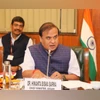 "Assam Chief Minister Himanta Biswa Sarma")