


Taiwan in the balance
Election results complicate global diplomacy
 "Taiwan")
premium
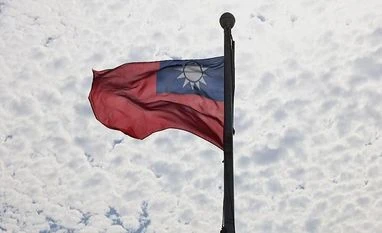
A Taiwanese flag flaps in the wind in Taoyuan, Taiwan. REUTERS/Ann Wang
Listen to This Article
The US and Europe have hailed Taiwan’s recent elections, but a closer look at the results suggests that global diplomacy has become much more complicated. These elections took place against the backdrop of Beijing’s aggressive reiteration of its One China Policy. On January 13, Taiwan’s anti-China ruling party, the Democratic Progressive Party (DPP), registered a historic third consecutive victory, with voters defying warnings from Beijing in the form of military escalation across the Taiwan Straits, spy balloons, economic coercion and disinformation. There are two points of concern for countries that seek to balance relations between China, the world’s manufacturing powerhouse, and Taiwan, the global technology powerhouse. First, DPP’s Lai Ching-te has won 40 per cent of the vote, compared with the 57 per cent that the former president from his party won in the last elections. A third party, the Taiwan People’s Party (TPP), split the vote with the traditional Opposition, the Kuomintang (KMT). Significantly, both the TPP and the KMT seek closer engagement with China within the rubric of a separate identity for Taiwan (the differences on this issue are those of degree). Second, for the first time in 20 years, there is no clear majority in the Legislative Assembly, adding a further problematic dimension not just to domestic policy but also to Taipei’s relations with China.