


Japanese minister halts visit after Trump demands Japan buy rice from US
Japan has cancelled a planned visit to Washington amid tensions over US demands for Tokyo to increase American rice imports
 "rice")
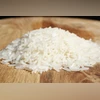
Japan cancels Washington visit to discuss Trump tariffs over reports indicating US may demand Tpkyo increase American rice imports (Photo/Unsplash)
Listen to This Article
Japan’s lead negotiator on tariff discussions with the United States abruptly cancelled a planned visit to Washington over the Trump administration's demands to increase American rice imports.
Ryosei Akazawa, Japan’s economic policy minister, was set to visit for tariff talks but scrapped the trip after reports that a US presidential order might require Japan to cut agricultural tariffs, including on rice, Nikkei Asia reported.
An executive order is a directive to US government agencies and cannot be imposed on other nations.
Japan protested that such language would amount to interference in its domestic affairs, particularly as the bilateral agreement reached in July does not require Japan to lower its own tariffs.
Communication gaps and tariff talks delay
Akazawa acknowledged there were unresolved issues and said the visit would be rescheduled after further talks.
Also Read

 "Dr V. Anantha Nageswaran, BFSI")
 "exporters, trade, tariff")
 "US-India, US-India flag, US India flag")
 "US President Donald Trump")
 "US President Donald Trump")
While Akazawa has held extensive talks with US Commerce Secretary Howard Lutnick, believed to have close ties to Trump, and Treasury Secretary Scott Bessent, engagement with US Trade Representative Jamieson Greer has been limited. Japanese officials believe that Greer's absence may have contributed to communication gaps.
Japan's trade talks with US
The July agreement included plans to reduce US tariffs on Japanese automobile imports, as well as American reciprocal tariffs, to 15 per cent. However, this relief was not reflected in an executive order signed by President Donald Trump at the end of that month.
Tokyo is now pressing Washington to issue the order swiftly, and Akazawa had intended to use the Washington trip to secure a US commitment on the tariff cuts. Instead, the move was shelved following sharp differences between the two sides.
Akazawa also expected to sign a joint document confirming Japan’s pledged investment of $550 billion under the tariff framework. While non-binding, the document aimed to clarify the scope of the investment, which the US sought as assurance.
What's next?
Working-level negotiations will continue, Japanese officials confirmed. Meanwhile, Japan maintains that it will continue to push for an executive order consistent with the July agreement.
More From This Section
 "Xiao He, humanoid robot at SCO summit")
 "White House")
 "US colleges ask foreign students to get to campus before Trump takes office")
 "Donald Trump")
 "US President Donald Trump")
Topics : Trump tariffs Trump trade policy Donald Trump administration US trade policy US trade deals Japan BS Web Reports
Don't miss the most important news and views of the day. Get them on our Telegram channel
First Published: Aug 30 2025 | 5:09 PM IST