


Iran using digital surveillance & vigilantism to crush dissent: UN report
The UN's Independent International Fact-Finding Mission released a report on Friday, stating that Iran is making "concerted state efforts to stifle dissent
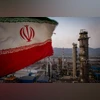 "Iran, Iran flag")
Photo: Bloomberg
Listen to This Article
A United Nations (UN) investigation has found that Iran is using digital surveillance and ‘state-sponsored vigilantism’ to crush dissent after the ‘Women, Life, Freedom’ protests in 2022.
The UN’s Independent International Fact-Finding Mission released a report on Friday, stating that Iran is making “concerted state efforts to stifle dissent, perpetuating a climate of fear and systematic impunity.” It highlighted the “increased use of technology and surveillance, including through state-sponsored vigilantism”.
Protests after Mahsa Amini’s death
Mass protests erupted in Iran after the death of Mahsa Amini in September 2022. The 22-year-old woman was arrested for allegedly violating strict dress rules for women. Her death sparked weeks of protests against the country’s leadership under Supreme Leader Ayatollah Ali Khamenei.
In response to the crackdown on protesters, the UN Human Rights Council launched a high-level investigation in November 2022.
Also Read

 "Iran, Iran flag")
 "Iran, Iran flag")
 "Donald Trump, Trump")
 "Tatloo")
 "Iran, Iran economy")
Increased surveillance and repression
“For two years, Iran has refused to adequately acknowledge the demands for equality and justice that fuelled the protests in 2022,” said Sara Hossain, chair of the fact-finding mission. “The criminalisation, surveillance and continued repression of protesters, families of victims and survivors, in particular women and girls, is deeply worrying,” she said.
The report said that since April 2024, Iran has intensified its policing of women who refuse to wear the mandatory hijab. Authorities have increased criminal prosecutions, and technology is being used to monitor and control people.
Use of technology to control society
“The state has leveraged digital tools to silence dissent, with technology amplifying and extending state control to restrict freedom of expression and association, and to control narratives,” the mission reported.
The Nazer app, which allows people to report hijab violations, was updated in September to track women in ambulances, public transport, and taxis. Authorities have also been confiscating vehicles from women accused of violating hijab laws.
In April 2024, aerial drones were used in Tehran and southern Iran to monitor hijab compliance.
Executions and human rights violations
According to the report, 10 men have been executed in connection with the protests, and at least 14 others — 11 men and three women — are at risk of execution. The investigation also found evidence of extrajudicial killings, including three children and three adults, which the state dismissed as suicides.
The report documented cases of sexual violence, including rape and gang rape in custody. One woman was reportedly beaten, subjected to two mock executions, and raped multiple times.
Victims and their families intimidated
The mission also found that victims of torture and other violations were “systematically intimidated”. Iran’s judicial system lacks independence, and those seeking justice face “continuous intimidation, threats, arrests, and criminal prosecution.”
“It is therefore imperative that comprehensive accountability measures also continue to be pursued outside the country,” said mission member Shaheen Sardar Ali. The fact-finding mission has gathered 38,000 pieces of evidence and interviewed 285 victims and witnesses. Iran has denied the mission access to the country. The report will be presented to the Human Rights Council on Tuesday.
[With inputs from AFP]
More From This Section
 "US Federal Reserve, Fed")
 "Vladimir Putin, Putin")
 "Foxconn")
 "X3, BMW X3")
 "United Nations")
Topics : Iran economy Iran hijab BS Web Reports
Don't miss the most important news and views of the day. Get them on our Telegram channel
First Published: Mar 14 2025 | 5:45 PM IST