Blockchain is about to revolutionise the shipping industry

he cost of moving goods across continents could drop dramatically, adding fresh impetus to relocate manufacturing or source materials and goods from overseas
Ship, Shipping, ship navigation, navigation, cyber threat, hacking, GPS, navigation system , vessels, vessel
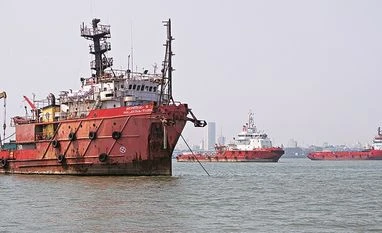
Ships lack a back-up navigation system and if their GPS ceases to function, they risk running aground or colliding with other vessels. Photo: iSTOCK
Bloomberg
Last Updated : Apr 19 2018 | 9:49 PM IST
Globalisation has brought the most advanced trading networks the world has seen, with the biggest, fastest vessels, robot-operated ports and vast computer databases tracking cargoes. But it all still relies on millions and millions of paper documents.

That last throwback to 19th century trade is about to fall AP Moeller-Maersk A/S and other container shipping lines have teamed up with technology companies to upgrade the world’s most complex logistics network.

The prize is a revolution in world trade on a scale not seen since the move to standard containers in the 1960s — a change that ushered in the age of globalisation. But the undertaking is as big as the potential upheaval it will cause. To make it work, dozens of shipping lines and thousands of related businesses around the world — including manufacturers, banks, insurers, brokers and port authorities — will have to work out a protocol that can integrate all the new systems onto one vast platform. Should they succeed, documentation that takes days will eventually be done in minutes, much of it without the need for human input. The cost of moving goods across continents could drop dramatically, adding fresh impetus to relocate manufacturing or source materials and goods from overseas.

The key, as in so many other industries, from oil tankers to cryptocurrencies, is blockchain, the electronic ledger system that allows transactions to be verified autonomously. And the benefits wouldn’t be confined to shipping. Improving communications and border administration using blockchain could generate an additional $1 trillion in global trade, according to the World Economic Forum.

The shipping paper trail begins when a cargo owner books space on a ship to move goods. Documents need to be filled in and approved before cargo can enter or leave a port. In 2014, Maersk followed a container filled with roses from Kenya to the Netherlands. The company found that 30 people and organisations were involved in processing the box on its journey to Europe. The shipment took 34 days to get from the farm to the retailers, including 10 days waiting for documents to be processed.

One subscription. Two world-class reads.

Already subscribed? Log in

Subscribe to read the full story →
*Subscribe to Business Standard digital and get complimentary access to The New York Times

Smart Quarterly

₹900

3 Months

₹300/Month

SAVE 25%

Smart Essential

₹2,700

1 Year

₹225/Month

SAVE 46%
*Complimentary New York Times access for the 2nd year will be given after 12 months

Super Saver

₹3,900

2 Years

₹162/Month

Subscribe

Renews automatically, cancel anytime

Here’s what’s included in our digital subscription plans

Exclusive premium stories online

  • Over 30 premium stories daily, handpicked by our editors

Complimentary Access to The New York Times

  • News, Games, Cooking, Audio, Wirecutter & The Athletic

Business Standard Epaper

  • Digital replica of our daily newspaper — with options to read, save, and share

Curated Newsletters

  • Insights on markets, finance, politics, tech, and more delivered to your inbox

Market Analysis & Investment Insights

  • In-depth market analysis & insights with access to The Smart Investor

Archives

  • Repository of articles and publications dating back to 1997

Ad-free Reading

  • Uninterrupted reading experience with no advertisements

Seamless Access Across All Devices

  • Access Business Standard across devices — mobile, tablet, or PC, via web or app

Next Story



