Amid rising diesel prices, Dalmia Bharat has chalked out a three-pronged strategy to curtail its variable costs by 15 per cent and hopes that a demand pick-up in the coming quarters would allow it to pass on some of the cost to the consumer.
Managing Director Puneet Dalmia says the firm plans to take capacity to 60 mt via organic growth route
“There is cost inflation since diesel prices are at an all-time high. We are investing in solar power and waste recovery systems to bring down the power costs. We are also looking to deploy electric trucks both at the mines and logistics usage to lower usage of diesel,” Puneet Dalmia, managing director at Dalmia Bharat, said. “Thirdly, we look to increase usage of alternative fuel to 25 per cent from 9 per cent at present to insulate ourselves from rising diesel prices,” he said.
During the April-June quarter, the company’s power and fuel cost had more than doubled to Rs 517 crore from Rs 251 crore in the corresponding period last year. “With all this effort, we should be able to bring down our variable cost by 10-15 per cent. Part benefits of these efforts should be visible this year. Balance projects will get commissioned by June-July of 2022, so the remaining part will come next year.”
Dalmia is hopeful that a pick-up in demand for cement in the coming quarters would allow passing on of the increased input cost to its customers. “Demand was fine in April, but it took a big hit in May and June. In July, it is in recovery mode. But this is a monsoon quarter, which is seasonally weak. Due to mini lockdowns in the past few months, some pent-up demand would come back in a roaring fashion. We are cautiously optimistic.”
According to data from CRISIL Research, cement production in April-May stood at 53,613 kilo tonne against 57,722 kilo tonne in the year-ago period. While April 2021 cement production was in line with pre-Covid levels, May output took a beating. Despite the ongoing demand blips due to the pandemic, Dalmia Bharat with a capacity of 30.5 million tonnes (mt) capacity remains bullish for the sector on a long-term basis owing to strong infrastructure growth potential.
The company is looking to take the existing capacity to 48.5 mt in the next three years, which will need funding of Rs 9,000 crore. This, the company plans to arrange largely via internal accruals. The next target is to take the capacity from 46.5 mt to 60 mt, “with which we will enter newer markets such as central and northern regionsy”, said Dalmia. “Our capacity expansion will largely be via an organic growth route as we do not see many acquisition opportunities in the domestic market.”
With the capacity going to 48.5 mt in the next three years, the company aims to increase its presence in the south, east, and north-east.
According to the Cement Manufacturers Association, the total installed capacity of the domestic cement sector is approximately 545 mt per annum, whereas 337 mt of cement was produced in 2018-19, signifying a capacity utilisation of around 62 per cent.
Read this article for free
Register to continue reading premium journalism and analysis from Business Standard.

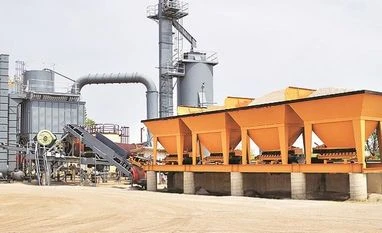 "Dalmia Bharat chalks out a three-pronged strategy to arrest cost inflation")












 Connect with us on WhatsApp