Explained: How brands are reaching out to shoppers in times of Covid-19

Go the extra mile by making calls, setting up mini stores; trend is here to stay, say experts
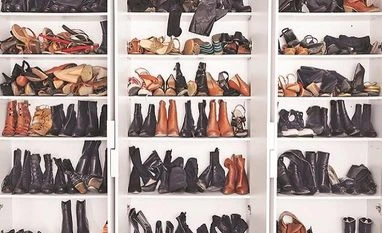
shoes, brands, sales, marketing
Some experts argue that direct-to-consumer initiatives also present brands as being alert and responsive, pushing fence-sitters to take the plunge in terms of shopping
Viveat Susan Pinto Mumbai
4 min read Last Updated : Aug 22 2020 | 6:06 AM IST
If there is one segment that has been upended on account of the Covid-19 pandemic and lockdown, it is the distribution of goods and services. 

Companies from retail to fast-moving consumer goods (FMCG) have been forced to realign their strategies in the past few months, shifting focus to reaching their target directly rather than waiting for them to make their way to shops, malls and department stores.

While most firms are adapting to the new normal, industry executives and experts say it is a trend that will stay. “Studies show that Indian consumers will take a while to get back to their old routine of shopping and eating out,” says Sandeep Kataria, chief executive officer, Bata India. 

“Retail and consumer brands have to do business at the end of day. Direct-to-consumer initiatives are one way of addressing the issue of restricted living,” he says.

For instance, Bata has begun setting up mobile stores in housing societies and complexes in 40 cities, putting up stalls or kiosks based on the space available to it. The footwear retailer has also launched a WhatsApp service called Bata Chat Shop that allows consumers to select and order their shoes from a catalogue, which is then home-delivered to them. These initiatives have clicked with senior citizens, kids and home-makers, Kataria says, who’ve been hit hard on account of lockdown restrictions and health advisories.

Apparel retailers such as Lifestyle and Reliance Trends are also getting proactive, calling up their consumers, setting up mini stores in neighbourhood, and ensuring that it is as convenient as possible for people to make their purchases. 

Malls such as Inorbit, for instance, set up outlets of six fashion brands in a housing complex in Bengaluru last week as part of a pilot project to test its mobile store concept. Brands, which were part of the concept that ran for a limited period of time, included names such as US Polo, Flying Machine, Metro, Sketchers, Soch, and Celio. 


The mall is likely to take the concept to other cities, said officials at the company, including to metros such as Mumbai and Hyderabad, in the weeks ahead as consumers remain largely wary of stepping out of their homes for fear catching the virus. 

Some experts argue that direct-to-consumer initiatives also present brands as being alert and responsive, pushing fence-sitters to take the plunge in terms of shopping.   

The need to reach the shopper directly among apparel, lifestyle, fashion, and footwear retailers has been led in part by the largely weak trend in sales, visible since the Unlock programme began in June. 

While electronics retailers have seen a continued recovery in terms of sales in July, led by the work-from-home and learn-from-home culture, a study by the Retailers Association of India, the apex body of organised retailers, shows that fashion, lifestyle, and sportswear categories have not shown an improvement in sales.

Business in these categories is down by 69 per cent over the year-ago period, the study says. Beauty and wellness, on the other hand, is down by 65 per cent in terms of sales from a year ago, it says.

Though grocery retailers, quick-service restaurants, and FMCG companies were the first among consumer-facing businesses to address the need of reaching stay-at-home consumers quickly, innovations in the space are growing, say experts. 

Coca-Cola and PepsiCo are tying up with delivery platforms and ensuring home deliveries happen within an hour. Restaurant chain Social, meanwhile, has begun offering curated party packages for those organising small get-togethers at home. The service has been unveiled in Mumbai and will be taken to cities such as Delhi. 

Tata Consumer Products, on the other hand, has given its offline distributors the option to list on marketplaces such as Flipkart as sellers as part of a omni-channel distribution tie-up. These sellers will provide the products to Flipkart’s executives to home-deliver.

One subscription. Two world-class reads.

Already subscribed? Log in

Subscribe to read the full story →
*Subscribe to Business Standard digital and get complimentary access to The New York Times

Smart Quarterly

₹900

3 Months

₹300/Month

SAVE 25%

Smart Essential

₹2,700

1 Year

₹225/Month

SAVE 46%
*Complimentary New York Times access for the 2nd year will be given after 12 months

Super Saver

₹3,900

2 Years

₹162/Month

Subscribe

Renews automatically, cancel anytime

Here’s what’s included in our digital subscription plans

Exclusive premium stories online

  • Over 30 premium stories daily, handpicked by our editors

Complimentary Access to The New York Times

  • News, Games, Cooking, Audio, Wirecutter & The Athletic

Business Standard Epaper

  • Digital replica of our daily newspaper — with options to read, save, and share

Curated Newsletters

  • Insights on markets, finance, politics, tech, and more delivered to your inbox

Market Analysis & Investment Insights

  • In-depth market analysis & insights with access to The Smart Investor

Archives

  • Repository of articles and publications dating back to 1997

Ad-free Reading

  • Uninterrupted reading experience with no advertisements

Seamless Access Across All Devices

  • Access Business Standard across devices — mobile, tablet, or PC, via web or app

Topics :CoronavirusIndian companiesBrandingIndian brandsbrands strategiesFMCG salesFMCG companiesReliance Trends

Next Story



