Hardening anti-China sentiments prompt phone brands to tone down launches

18 new phone unveilings to be subdued
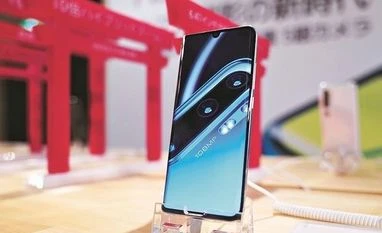
Phone, smartphones
Smartphone makers, such as Xiaomi, Oppo, Vivo, Realme, and OnePlus, are planning to scale down their forthcoming launches
Arnab DuttaViveat Susan Pinto New Delhi/Mumbai
4 min read Last Updated : Jun 22 2020 | 1:25 PM IST
Over the last few days, #BoycottChineseProducts has been among the top trends on social media, following the stand-off between Indian and Chinese soldiers in Ladakh.

If visuals of people smashing their Chinese-made smartphones and television (TV) sets are any indicator, the anti-China sentiment has only hardened, prompting smartphone brands to sit up and take note.

Smartphone makers, such as Xiaomi, Oppo, Vivo, Realme, and OnePlus, are planning to scale down their forthcoming launches, sources told Business Standard, even as the anti-China sentiment rages on.

Eighteen phone launches lined up for release over the next two months could suffer low marketing intensity, impacting sales, informed sources.


Typically, companies have a 360-degree marketing plan for most key launches, with emphasis on TV in general and social media in particular.

While campaigns for Vivo, OnePlus, and Xiaomi are currently on air, the category as a whole was expected to spend around Rs 1,000 crore on marketing and promotional activities over the next six months, even as India unlocks gradually, said media industry experts.

This spending is expected to come down, as firms temper their launches.

Last year, smartphone companies had spent nearly Rs 1,500 crore on marketing and advertising blitzkrieg.

When contacted, the phonemakers declined to comment, given the sensitivity of the issue.


But Faisal Kawoosa, founder and chief analyst at consultancy firm techARC, said companies were concerned about negative publicity that could impact their phone launches, if amplified on TV and social media.

On Wednesday, a live link for a virtual phone launch by Oppo was deactivated, with the firm releasing a pre-recorded video message on the new phone instead. While company officials clarified it was nothing more than a technical glitch that had prompted the move, brand and tech experts say firms are being cautious in the current milieu.

“Emotions are running high and companies believe it is a safer bet to reduce the scale of their launches. I see this continuing for some time till geopolitical issues ease,” says Kawoosa.

In the past few years, Chinese brands have emerged top players in India’s smartphone market, with nearly 80 per cent share.


The installed smartphone base in India is 500 million, ahead of the feature phone base, which is around 470 million.

According to the data from Counterpoint Research for the January-March period, four of the top five smartphone brands in India are Chinese phonemakers. The list includes Xiaomi, Vivo, Realme, and Oppo, with shares of 30 per cent, 17 per cent, 14 per cent, and 12 per cent each. Only Samsung stands out as a South Korean brand, with a share of 16 per cent. The balance 11 per cent is made up of other players.

This grip of Chinese companies on India’s smartphone market has prompted traders’ body —Confederation of All India Traders (CAIT) — to step up its rhetoric against Chinese goods.

On Thursday, CAIT released on open letter to brand endorsers — Deepika Padukone, Aamir Khan, and Ranbir Kapoor — to desist from endorsing Chinese products.


The body also asked actors Amitabh Bachchan and Akshay Kumar to be a part of its nationwide campaign against Chinese products.

“There is a little bit of China in our everyday lives,” said Harish Bijoor, brand expert and chief executive officer, Harish Bijoor Consults Inc.

“Almost every product we consume has a component or part coming from China or is completely made in China. Replacing all of it will be not be easy. However, in view of the strong sentiment prevailing right now against Chinese products, I see the boycott campaign lasting for a few months,” said Bijoor.

Khan endorses Vivo, Kapoor endorses Oppo, while Padukone has appeared in ads for Oppo in the past. Her actor-husband Ranveer Singh has appeared in ads for Vivo earlier, while cricketer Virat Kohli endorses Xiaomi

One subscription. Two world-class reads.

Already subscribed? Log in

Subscribe to read the full story →
*Subscribe to Business Standard digital and get complimentary access to The New York Times

Smart Quarterly

₹900

3 Months

₹300/Month

SAVE 25%

Smart Essential

₹2,700

1 Year

₹225/Month

SAVE 46%
*Complimentary New York Times access for the 2nd year will be given after 12 months

Super Saver

₹3,900

2 Years

₹162/Month

Subscribe

Renews automatically, cancel anytime

Here’s what’s included in our digital subscription plans

Exclusive premium stories online

  • Over 30 premium stories daily, handpicked by our editors

Complimentary Access to The New York Times

  • News, Games, Cooking, Audio, Wirecutter & The Athletic

Business Standard Epaper

  • Digital replica of our daily newspaper — with options to read, save, and share

Curated Newsletters

  • Insights on markets, finance, politics, tech, and more delivered to your inbox

Market Analysis & Investment Insights

  • In-depth market analysis & insights with access to The Smart Investor

Archives

  • Repository of articles and publications dating back to 1997

Ad-free Reading

  • Uninterrupted reading experience with no advertisements

Seamless Access Across All Devices

  • Access Business Standard across devices — mobile, tablet, or PC, via web or app

Topics :OppoVivoIndia China tensionpremium smartphones

Next Story



