Just 1% firms keen on one-time debt recast as biz outlook improves: Crisil

This is despite the fact that two-thirds of Crisil-rated entities are eligible for restructuring, based on Kamath Committee parameters
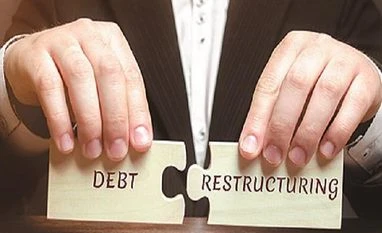
debt restructuring, loans, recast, moratorium
In August 2029, Reserve Bank of India (RBI) had formulated OTDR scheme for companies under stress due to the Covid-19
Abhijit Lele Mumbai
2 min read Last Updated : Nov 17 2020 | 10:57 PM IST
With improving business sentiment and ongoing gradual recovery, only one per cent of rated Indian companies have shown interest in one-time debt restructuring (OTDR) scheme, according to rating agency Crisil. 

In August 2020, the Reserve Bank of India (RBI) had formulated OTDR scheme for companies under stress due to the Covid-19 pandemic. It had set up a panel headed by former ICICI Bank chairman K V Kamath to suggest norms for OTDR. 

The rating agency in a statement said its preliminary analysis of 3,523 such non-MSME companies rated by it indicated as many as 99 per cent of companies (excluding MSMEs) are unlikely to opt for restructuring. 

Only about one per cent indicated that they would apply for OTDR. This is despite two-thirds of the rated entities being eligible based on the parameters proposed by Kamath Committee.


Subodh Rai, Senior Director, Crisil Ratings, said, improving business sentiment on account of increased economic activity over the past few months, and expectation of a sharp recovery next fiscal are persuading borrowers to skip OTDR.

Another deterrent is the impact on the borrower’s long-term credit history. Accounts of those opting for OTDR would be classified as restructured advances by lenders, which could impact their ability to raise debt in future, he said.

Lenders have to finalise and invoke OTDR for corporates by end of December 2020.

Crisil said that more than three-fourth of debt consists of short-term working capital facilities for 44 per cent of its rated corporates. In these cases, availing OTDR would have negligible benefits, as the resolution plans under this scheme are focused on deferring principal repayment of long-term debt.

Such borrowers, instead of opting for debt recast, may prefer to seek additional working capital financing as announced by the RBI under its Covid-19 regulatory package.

One subscription. Two world-class reads.

Already subscribed? Log in

Subscribe to read the full story →
*Subscribe to Business Standard digital and get complimentary access to The New York Times

Smart Quarterly

₹900

3 Months

₹300/Month

SAVE 25%

Smart Essential

₹2,700

1 Year

₹225/Month

SAVE 46%
*Complimentary New York Times access for the 2nd year will be given after 12 months

Super Saver

₹3,900

2 Years

₹162/Month

Subscribe

Renews automatically, cancel anytime

Here’s what’s included in our digital subscription plans

Exclusive premium stories online

  • Over 30 premium stories daily, handpicked by our editors

Complimentary Access to The New York Times

  • News, Games, Cooking, Audio, Wirecutter & The Athletic

Business Standard Epaper

  • Digital replica of our daily newspaper — with options to read, save, and share

Curated Newsletters

  • Insights on markets, finance, politics, tech, and more delivered to your inbox

Market Analysis & Investment Insights

  • In-depth market analysis & insights with access to The Smart Investor

Archives

  • Repository of articles and publications dating back to 1997

Ad-free Reading

  • Uninterrupted reading experience with no advertisements

Seamless Access Across All Devices

  • Access Business Standard across devices — mobile, tablet, or PC, via web or app

Topics :Debt recastBank loansCrisilCompaniesdebt restructuring scheme

Next Story



