The Narendra Modi government’s move to allow dual use of social and commercial infrastructure in non-processing areas of special economic zones (SEZs) will give a boost to the land monetisation plans of Adani Ports and SEZ Ltd (ADSEZ), which already has an operational SEZ at Mundra and a large area. This area is yet to be leased.
In a gazette notification on January 2 to amend the SEZ Rules, 2006, the commerce ministry has allowed dual use both by the SEZ and the domestic tariff area entities of “social or commercial infrastructure and other facilities”, within non-processing areas. The core commercial activity of SEZ units is undertaken in the processing area, and the rest of the land in the SEZ is in the non-processing area.
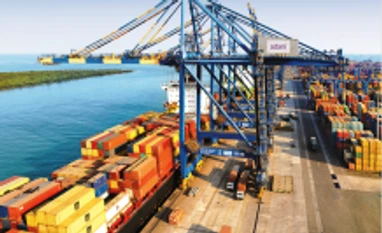
The biggest beneficiary of this move, say analysts, is ADSEZ, which has a multi-product SEZ spread over 15,000 hectares with a notified area of 6,456 hectares.
Of this, about 1,600 hectares or 40 per cent has been leased out already. In FY14, the company had applied to the Ministry of Commerce and Industry for further notification of 1,856 hectares as a multi-product SEZ. On Monday, Adani Port’s stock closed at Rs 328 a share. The stock is up 31 per cent in the past six months since Modi came to power.
According to the government notification, non-processing areas will be divided into two zones, where social or commercial infrastructure and other facilities are permitted to be used by both the SEZ and the domestic tariff area entities, and one that will be exclusively used by SEZ units (this area will be bonded and physically segregated from the rest). While the first category will not enjoy tax incentives, the second will be eligible for tax concessions, says a Kotak Institutional Equities report.
Analysts say the notification is positive for SEZ developers with land monetisation plans and will potentially lead to an uptick in land leased and pricing, as it will lead to better economics for operators of social or commercial infrastructure facilities in the dual use non-processing area.
The positive impact, though, for an SEZ developer, has been somewhat curtailed given that the dual-use non-processing area will get no tax concessions. The developer must refund prior central or state tax concessions availed for creation of the infrastructure, as per the notification.
According to the Export Promotion Council for Export-oriented units and SEZs, the change in guidelines will be beneficial to SEZs with infrastructure in the non-processing area.
Developers had been urging dual usage of their SEZ land since the beginning of global financial recession in 2008, due to which a large number of projects had stopped. Developers were faced with a paucity of funds and were left with vast tracts without any substantial investment. With this step, it is expected they will be able to monetise some of these portions.
HOW IT WILL BENEFIT - Analysts say the biggest beneficiary of this move is ADSEZ, which has a multi-product SEZ spread over 15,000 hectares with a notified area of 6,456 hectares
- Of this, about 1,600 hectares or 40% has been leased out already
- In FY14, ADSEZ had applied to the ministry of commerce & industry for further notification of 1,856 hectares as a multi-product SEZ

 "Modi move to allow dual use in SEZs to help Adani SEZ")


 Connect with us on WhatsApp