Tata Sons chairman Chandrasekaran for hybrid model of work, 'a third place'

Tata Sons Chairman N Chandrasekaran said workplaces will benefit from allowing staff greater leeway with the help of technology
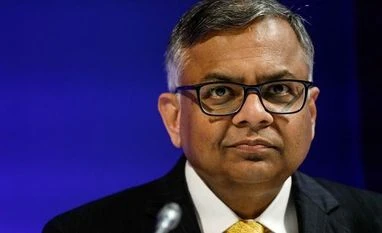
Tata Sons Chairman Natarajan Chandrasekaran
Tata Sons Chairman Natarajan Chandrasekaran | Photo: Bloomberg
Bloomberg
2 min read Last Updated : Jun 23 2021 | 12:07 AM IST
The pandemic has changed the nature of work, accelerating the adoption of digital technologies by at least a decade and ushering in a hybrid model where work extends beyond offices and engages more women, Tata Sons Pvt Chairman Natarajan Chandrasekaran said.

While the office remains a critical hub and staff will gradually return, the world won’t return to its pre-Covid norm, Chandrasekaran, head of India’s biggest private-sector employer, said during the Qatar Economic Forum on Tuesday. The Indian executive, joined by fellow employers such as Iwg Plc Chief Executive Officer Mark Dixon, said workplaces will benefit from allowing staff greater leeway with the help of technology.

When the pandemic hit India in early 2020, the 150-year-old steel-to-airlines conglomerate scrambled to adapt to lockdown restrictions. At Tata Consultancy Services Ltd. -- its largest company by employee numbers and profitability -- nearly half a million workers began working from home within weeks, continuing to deliver software projects and support to Wall Street banks, retailers and airlines.

Tata Consultancy declared early on it expects only a fourth of its workforce to be in the office on any given day by 2025. Yet many of its employees asked for a return to the office. Companies will have to adopt a model somewhere in-between, Chandrasekaran said during a session about the future of work.
 
“If the hybrid model has to work, let’s not think of it as only office and home,” he said. “There’s going to be a concept of a third place. I call it a ‘third place,’ you may want to call it a satellite office.”

In India’s case, it could also see improved workplace diversity, another positive outcome of a hybrid model, Chandrasekaran said.

“Only 23 per cent of women who could be potentially working are in the workforce because issues like commuting, the lack of social infrastructure like child care,” he said. “We should not miss this opportunity, it is not just good for GDP and growth, but also it is the right thing to do.”

One subscription. Two world-class reads.

Already subscribed? Log in

Subscribe to read the full story →
*Subscribe to Business Standard digital and get complimentary access to The New York Times

Smart Quarterly

₹900

3 Months

₹300/Month

SAVE 25%

Smart Essential

₹2,700

1 Year

₹225/Month

SAVE 46%
*Complimentary New York Times access for the 2nd year will be given after 12 months

Super Saver

₹3,900

2 Years

₹162/Month

Subscribe

Renews automatically, cancel anytime

Here’s what’s included in our digital subscription plans

Exclusive premium stories online

  • Over 30 premium stories daily, handpicked by our editors

Complimentary Access to The New York Times

  • News, Games, Cooking, Audio, Wirecutter & The Athletic

Business Standard Epaper

  • Digital replica of our daily newspaper — with options to read, save, and share

Curated Newsletters

  • Insights on markets, finance, politics, tech, and more delivered to your inbox

Market Analysis & Investment Insights

  • In-depth market analysis & insights with access to The Smart Investor

Archives

  • Repository of articles and publications dating back to 1997

Ad-free Reading

  • Uninterrupted reading experience with no advertisements

Seamless Access Across All Devices

  • Access Business Standard across devices — mobile, tablet, or PC, via web or app

Topics :CoronavirusWork from homeTata SonsN Chandrasekaran

Next Story



