Women in Indian informal sector ready for lower wages for health benefits
There is a growing aspirational shift in the mindset of female representatives in the informal workforce, as a significant percentage of women said they are ready to compromise on higher salaries
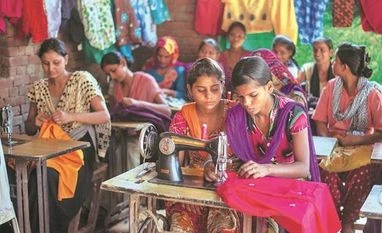
Press Trust of India New Delhi There is a growing aspirational shift in the mindset of female representatives in the informal workforce, as a significant percentage of women said they are ready to compromise on higher salaries in lieu of health benefits, according to a survey.
As per the survey by business service provider Quess Corp, 63 per cent of women in the Indian informal economy would compromise on salaries for health security benefits, compared to only 28 per cent of men.
For the report, 4,179 respondents were surveyed between September 2022 and January 2023.
For an increasing proportion of female employees, job security, training and career development are becoming absolute priorities even beyond the contents of their pay slips, it said.
"We must acknowledge the value and contribution of women to India's informal formal economy, while simultaneously acknowledging that their requirements have now evolved.
"India Inc must invest in training and skill development for better employability of women, helping them find employment opportunities, and offer social security benefits as opposed to simply salary considerations to a wider employable population," said Lohit Bhatia, President, Workforce Management, Quess Corp Limited.
Furthermore, 38 per cent of female informal workers believe that the COVID-19 pandemic has highlighted the importance of job security.
There is also a clear indication that health and security are becoming bigger priorities for women, with 16 per cent of female informal workers considering health and protection as the principal benefit of formal employment.
The need for the implementation of safe working conditions and skill training for women remain crucial for a more equitable distribution of opportunities in the workforce, the study noted.
As per Quess Staffing Solutions, industries such as Media & Entertainment (46 per cent share), Auto & Auto Comm (42 per cent share), FMCG/FMCD (27 per cent share), Ecom/Logistics (27 per cent share) and IT/ITES/Education (22 per cent share) hold the highest share of women in the workforce.
(Only the headline and picture of this report may have been reworked by the Business Standard staff; the rest of the content is auto-generated from a syndicated feed.)

 "Women in Indian informal sector ready for lower wages for health benefits")

