Across the board, manufacturers of furniture see the shutdown of Chinese exports to the US as an opportunity for scaling up exports.
Earlier this year, before the Covid-19 pandemic led to a shutdown, Union Commerce Minister Piyush Goyal said at an event that the nation had vast resources for making good furniture, but was still importing it. If local players could make quality goods, it could also help create more employment, he said.
However, to make that happen, manufacturers say they need changes in labour laws, as well as regimes that aren’t as tax-friendly to foreign players, who are importing furniture into the country. The top countries from which India imported furniture in recent years were China, Germany, Malaysia, and Italy. The global furniture market is estimated to be worth $1.1 trillion, of which the Indian market size is less than 5 per cent.
Jay Gorsia, a Kolkata-based maker of high-end furniture, says the trick to ramping up the industry is easy access to land, finance, and hassle-free import of machinery and materials. “You cannot today import goose-down for sofas, and pillows and cushions. They are feathers, no animal is killed but it’s banned in India,” Gorsia says.
Dhiren Gopal, director at furniture maker Featherlite Group, says more state support is needed. “What’s needed is a level-playing, field which is absent, since mainstream companies in special economic zones can import furniture duty-free,” he said. “Creating furniture hubs around auto clusters would also encourage entrepreneurs to come forward.”
There have been limited big-ticket investments in India for furniture with Ikea’s Rs 10,500 crore entry in 2018 being the largest. The other global giants like Steelcase, Haworth, Herman Miller, HNI and L-A-Z-Boy haven’t set up operations of scale yet.
Kerala-based Duroflex, which makes mattresses has also shifted into contract manufacturing with Ikea and is looking to make beds, and all other furniture that goes with bedrooms in the future. Duroflex MD Thomas Chandy says mattress makers from China have lost their main market and are already scouting India to see if they can partner and come here.
“If you want to tap a multi-billion opportunity then you have to scale up like-minded manufacturers and stop dumping from Asian countries,” he said.

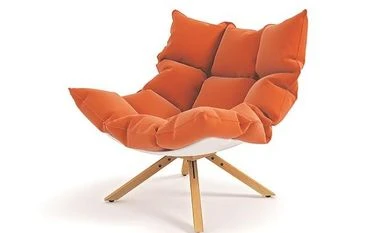 "As Chinese furniture exports hit a wall, Indian makers sense an opportunity")











