However, in the first 50 days starting from April 1 to May 20, only 28 per cent of the total target of 240.9 million or only 67.992 million cylinders were delivered, according to data available with the ministry of petroleum and natural gas. Experts indicated that when free cylinders were planned, the government should have considered that the annual rate of refills by the Ujjwala consumers was a mere 2.9 cylinder a connection.
“In normal circumstances also refill rates are low. A major reason for less lifting now would be that consumption power of families would have declined now. From three meals a day, many poor households would have shifted to two. In addition, there may be transportation issues, too,” said Dipa Sinha, assistant professor at Ambedkar University, and a Right to Food activist. She added that if only one cylinder is delivered to each of these customers in three months, the expected outcome of reducing economic hardship of poor cannot be achieved.

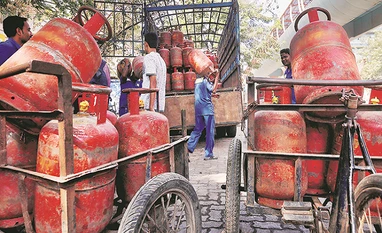 "Coronavirus outbreak: Few takers for free LPG cylinders in lockdown")










 Connect with us on WhatsApp