Have sunset clause for economic laws constraining growth: Vijay Kelkar

Kelkar suggested a system for periodic review of economic laws, howsoever revolutionary they might be when they are passed
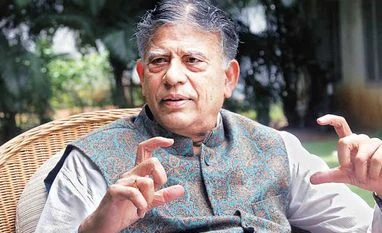
Vijay Kelkar
Kelkar also pitched for making it mandatory to assess the cost of a legislation through a cost-benefit analysis before Parliament passes it.
Press Trust of India
2 min read Last Updated : Jun 30 2021 | 7:15 AM IST
Economic laws lose relevance after a few years and may also become a constraint for growth, chairman of the Thirteenth Finance Commission Vijay Kelkar said on Tuesday, pitching for a "sunset clause" for such statutes.
 
Kelkar, who has also served as the Union finance secretary, cited the Land Act and Rent Act while illustrating the constraints posed by laws which were revolutionary at some point of time.

"I see devastating effects... (we need) to build-in a sunset clause for many of our economic laws," Kelkar said.

He was speaking at an event to launch the Vidhi Centre for Legal Policy''s state office in Maharashtra.

Kelkar suggested a system for periodic review of economic laws, howsoever revolutionary they might be when they are passed.

He said the Land Act has adversely impacted productivity in Maharashtra, pointing out that even a farmer cannot lease out a piece of land to another farmer because of the legislation.

Similarly, the Rent Act has led to a "perverse  effect" on supply of dwellings and decent living spaces in the financial capital of the country, he said.

Kelkar also pitched for making it mandatory to assess the cost of a legislation through a cost-benefit analysis before Parliament passes it.

He rued that there is a "great deal of passion" to introduce new laws without understanding its impact on the citizenry, industry and the overall system.

Kelkar also urged both central and state governments to formulate a "litigation policy" to ease the burden on the judiciary by lessening the quantum of matters which reach the courts.

Nearly half of the pending cases in courts involve the government as either the defendant or the litigant, while some are also inter-departmental matters which go to the judiciary for adjudication, he said, adding that a policy on litigation can reduce the burden.

Meanwhile, Kelkar said the country is ripe for third generation of reforms which should focus on the institutional arrangements in the republic, which rests on the judiciary, legislature and the executive. 

One subscription. Two world-class reads.

Already subscribed? Log in

Subscribe to read the full story →
*Subscribe to Business Standard digital and get complimentary access to The New York Times

Smart Quarterly

₹900

3 Months

₹300/Month

SAVE 25%

Smart Essential

₹2,700

1 Year

₹225/Month

SAVE 46%
*Complimentary New York Times access for the 2nd year will be given after 12 months

Super Saver

₹3,900

2 Years

₹162/Month

Subscribe

Renews automatically, cancel anytime

Here’s what’s included in our digital subscription plans

Exclusive premium stories online

  • Over 30 premium stories daily, handpicked by our editors

Complimentary Access to The New York Times

  • News, Games, Cooking, Audio, Wirecutter & The Athletic

Business Standard Epaper

  • Digital replica of our daily newspaper — with options to read, save, and share

Curated Newsletters

  • Insights on markets, finance, politics, tech, and more delivered to your inbox

Market Analysis & Investment Insights

  • In-depth market analysis & insights with access to The Smart Investor

Archives

  • Repository of articles and publications dating back to 1997

Ad-free Reading

  • Uninterrupted reading experience with no advertisements

Seamless Access Across All Devices

  • Access Business Standard across devices — mobile, tablet, or PC, via web or app

Topics :Economic policyVijay KelkarIndian Economylaws

Next Story



