Performance of high frequency indicators moderated in September: ICRA

The YoY performance of 14 of the 15 high frequency indicators (except non-food bank credit) worsened in September compared to August this year, ICRA said.
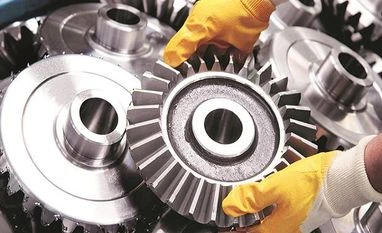
gear line, manufacturing, economy, growth, PMI
Representative image
Indivjal Dhasmana New Delhi
2 min read Last Updated : Oct 22 2021 | 1:27 AM IST
ICRA on Thursday said continued base normalisation, emerging supply-side constraints and excess rainfall dampened the year-on-year (YoY) performance of most of the high frequency indicators in September 2021.

The YoY performance of 14 of the 15 high frequency indicators (except non-food bank credit) worsened in September compared to August this year, ICRA said.

This was on account of a combination of factors such as continued base normalisation (especially for motorcycles and scooters, domestic airline passenger traffic, and generation of GST e-way bills), supply side constraints (non-availability of semiconductors particularly for passenger vehicles or PVs) and excess rainfall (35 per cent above long period average in September).

Nevertheless, in quarterly terms, half of the indicators recovered above their pre-Covid levels in the second quarter of the current financial year, it said.  This compared well with the first quarter of the year, when only three out of the 14 indicators had exceeded the performance in Q1 FY'20, with activity suppressed by the second wave of Covid-19.

ICRA chief economist Aditi Nayar said, “The economic recovery widened in Q2 FY'22 as the crisis wrought by the second wave of Covid-19 abated, with a larger number of sectors bettering their pre-Covid performance, relative to the position in Q1 FY'22. Nevertheless, the revival was multi-speed, with a considerable variation in the pace of growth across sectors."

She said there is growing evidence of a K-shaped recovery.  This was evidenced by the sharp disparity in the performance of the stock markets, robust growth in direct tax collections and improved business sentiment, juxtaposed with the continued pessimism displayed by urban households in the RBI’s latest consumer confidence survey, Nayar said. The latter is a likely reflection of the lingering income uncertainty being faced by households that are dependent on the less formal and contact-intensive portions of the economy, she said. 

One subscription. Two world-class reads.

Already subscribed? Log in

Subscribe to read the full story →
*Subscribe to Business Standard digital and get complimentary access to The New York Times

Smart Quarterly

₹900

3 Months

₹300/Month

SAVE 25%

Smart Essential

₹2,700

1 Year

₹225/Month

SAVE 46%
*Complimentary New York Times access for the 2nd year will be given after 12 months

Super Saver

₹3,900

2 Years

₹162/Month

Subscribe

Renews automatically, cancel anytime

Here’s what’s included in our digital subscription plans

Exclusive premium stories online

  • Over 30 premium stories daily, handpicked by our editors

Complimentary Access to The New York Times

  • News, Games, Cooking, Audio, Wirecutter & The Athletic

Business Standard Epaper

  • Digital replica of our daily newspaper — with options to read, save, and share

Curated Newsletters

  • Insights on markets, finance, politics, tech, and more delivered to your inbox

Market Analysis & Investment Insights

  • In-depth market analysis & insights with access to The Smart Investor

Archives

  • Repository of articles and publications dating back to 1997

Ad-free Reading

  • Uninterrupted reading experience with no advertisements

Seamless Access Across All Devices

  • Access Business Standard across devices — mobile, tablet, or PC, via web or app

Topics :ICRAIndian EconomyGST

Next Story



