Rupee gets cushion from stock flows, current account surplus amid pandemic

The currency has advanced more than 2% in the third quarter, outperforming the Indonesian rupiah
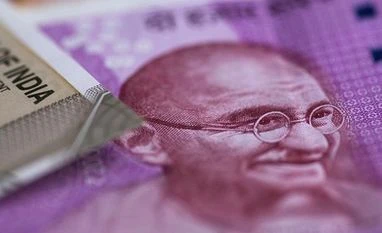
Rupee
Bloomberg
2 min read Last Updated : Oct 06 2020 | 8:01 AM IST
India’s strongest surplus in more than a decade is supporting a currency battered by the worst pandemic outbreak in Asia.

The currency has advanced more than 2% in the third quarter, outperforming the Indonesian rupiah, its high-yielding counterpart that has sunk around 4%. The gains come even with an economy ravaged by 6.6 million infections.

The support comes from a rare current account surplus, stock inflows and asset sales that had already seen billions of dollars in inflows. The country could post $72.5 billion in balance-of-payment surplus for the fiscal year ending March, according to Barclays Plc. That would be the most since the year ended March 2008.

“The very bearish macro backdrop has counter-intuitively been the driver of supportive rupee tailwinds as the FY21 current account moves into a surplus, while the FDI pipeline remains strong,” according to Ashish Agrawal, a strategist at Barclays.

A shrinking trade deficit saw India post a record current account surplus in the April-June quarter. The nation’s stocks have lured $6.5 billion of inflows in the third quarter largely due to share sales by banks. The sale of stakes in billionaire Mukesh Ambani’s Reliance Industries Ltd. telecom business helped, and he’s also selling part of his retail business.

The question now is whether the rupee can continue to hold up in the final months of the year as the economy shows few signs of improvement and the hands of policymakers are tied by high inflation.

Consensus forecasts by analysts surveyed suggest the rupee could struggle in the fourth quarter. The median estimate is for the the currency to end the year at 73.83 per dollar, slightly weaker than the 73.2875 it closed at on Monday.

“India’s economy is in worse shape than its peers,” said Hugo Erken, senior economist at Rabobank International. It has “one of the most severe GDP crunches, a weak recovery in high-frequency data combined with stubbornly high inflation, rapidly sliding fiscal metrics, ongoing high stringency to contain the coronavirus, and little if no policy options to revive the economy.”


One subscription. Two world-class reads.

Already subscribed? Log in

Subscribe to read the full story →
*Subscribe to Business Standard digital and get complimentary access to The New York Times

Smart Quarterly

₹900

3 Months

₹300/Month

SAVE 25%

Smart Essential

₹2,700

1 Year

₹225/Month

SAVE 46%
*Complimentary New York Times access for the 2nd year will be given after 12 months

Super Saver

₹3,900

2 Years

₹162/Month

Subscribe

Renews automatically, cancel anytime

Here’s what’s included in our digital subscription plans

Exclusive premium stories online

  • Over 30 premium stories daily, handpicked by our editors

Complimentary Access to The New York Times

  • News, Games, Cooking, Audio, Wirecutter & The Athletic

Business Standard Epaper

  • Digital replica of our daily newspaper — with options to read, save, and share

Curated Newsletters

  • Insights on markets, finance, politics, tech, and more delivered to your inbox

Market Analysis & Investment Insights

  • In-depth market analysis & insights with access to The Smart Investor

Archives

  • Repository of articles and publications dating back to 1997

Ad-free Reading

  • Uninterrupted reading experience with no advertisements

Seamless Access Across All Devices

  • Access Business Standard across devices — mobile, tablet, or PC, via web or app

Topics :RupeeUS DollarRupee-dollar swapforeign exchange rates

Next Story



