Bankers hope retail, SME segment will sustain credit offtake in H2

Easing of slippage risk seen as GDP contraction narrows
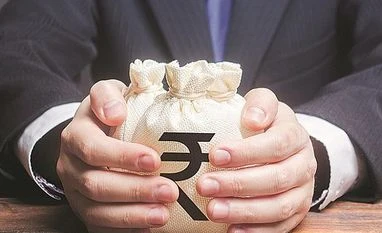
loans, aum, assets, banks, investment, shares, stocks, funds
Bank credit grew by 5.7 per cent year-on-year till early November 2020, shows Reserve Bank of India data
Abhijit Lele Mumbai
2 min read Last Updated : Nov 28 2020 | 1:51 AM IST
Bankers are optimistic about tempo of credit offtake and some easing of risk of slippages in current fiscal on the back of the narrower GDP contraction in the second quarter.

Ashwani Bhatia, Managing Director (MD), State Bank of India (SBI) said things do not look bad so far. "With the (Q2 GDP) numbers, the double-digit dip in FY21 may not be there and we could see positive growth. This would have a beneficial effect on the credit side. However, much of the credit growth will be seen retail (auto, housing and personal loans) and SME segment," he said.

Bank credit grew by 5.7 per cent year-on-year till early November 2020, shows Reserve Bank of India data.

"The risks of slippages are within control for now. Yet, we have to be watchful of some large exposures in airports and SME segment," Bhatia added.

Sunil Mehta, chairman, Yes Bank, said the tempo of rise in credit off take will be maintained in the remainder of the current financial year. The confidence level is higher, giving a push to economic activity. This is expected to bring in cash flows and reduce the risk of slippages in credit portfolios.  


A senior analyst with a credit rating agency said stress in the system due to economic disruption is very much there. But the pressure of slippage is much lower now than what was expected in the early days of pandemic.

Chandra Shekhar Ghosh, MD and CEO, Bandhan Bank said the various relief measures and policy reforms effected by the government appear to be bearing fruit. The country’s growth is being led by its agricultural and rural economy, which continued to show resilience in this quarter as well.

The services sector will be more vulnerable in the second half, particularly contract-based services. Despite this, the fiscal is going to be a story of two halves with better growth performance and higher government revenue in the second part, both of which can support spending, rating agency Crisil said.

One subscription. Two world-class reads.

Already subscribed? Log in

Subscribe to read the full story →
*Subscribe to Business Standard digital and get complimentary access to The New York Times

Smart Quarterly

₹900

3 Months

₹300/Month

SAVE 25%

Smart Essential

₹2,700

1 Year

₹225/Month

SAVE 46%
*Complimentary New York Times access for the 2nd year will be given after 12 months

Super Saver

₹3,900

2 Years

₹162/Month

Subscribe

Renews automatically, cancel anytime

Here’s what’s included in our digital subscription plans

Exclusive premium stories online

  • Over 30 premium stories daily, handpicked by our editors

Complimentary Access to The New York Times

  • News, Games, Cooking, Audio, Wirecutter & The Athletic

Business Standard Epaper

  • Digital replica of our daily newspaper — with options to read, save, and share

Curated Newsletters

  • Insights on markets, finance, politics, tech, and more delivered to your inbox

Market Analysis & Investment Insights

  • In-depth market analysis & insights with access to The Smart Investor

Archives

  • Repository of articles and publications dating back to 1997

Ad-free Reading

  • Uninterrupted reading experience with no advertisements

Seamless Access Across All Devices

  • Access Business Standard across devices — mobile, tablet, or PC, via web or app

Topics :BankersBank loanscredit growth Indian Economy

Next Story



