The central bank said it has revised its inflation-forecasting model to better capture how fiscal and monetary policy interact with real-economy elements.
The adjustments incorporate fiscal-monetary dynamics, India’s unique and often chaotic fuel pricing regime, and exchange-rate fluctuations and their impact on balance of payments, the Reserve Bank of India said in its latest bi-annual monetary policy report published Wednesday.
Dubbed as the Quarterly Projection Model 2.0, the RBI’s economists describe the framework as a forward-looking, open economy, calibrated, new-Keynesian gap model. The previous version had often been criticised for over-estimating upside risks to inflation.
The amendments come just days after the RBI won approval from the government to retain its 2-6 per cent inflation target range for the next five years. It didn’t offer a comparison between inflation rates predicted under the previous model and the new one, but said its tools helped it keep inflation anchored around the 4 per cent midpoint on average in the past five years.
The RBI said the new model is broken into three blocks. The first, or fiscal block, decomposes the government’s primary deficit into structural and cyclical components. A shock to the former impacts inflation through aggregate demand and country risk premia; for instance, a structural increase in the deficit would create a positive output gap and the higher debt makes borrowings costlier and depreciates the currency, leading to higher inflation. A cyclical shock is negligible.
The second, or fuel block, takes into account India’s complex system of pricing. Items like petrol and diesel are priced on the basis of international oil prices, exchange rates, and local taxes, while liquefied petroleum gas and kerosene prices are market-determined but with lagged pass-through. Electricity costs are administered by state governments. Headline inflation goes up by 25 basis points in response to a fuel tax increase of 10 rupees per litre and inflation expectations edge higher and remain entrenched if tax reversals do not happen, the RBI said.
The balance of payments block recognises the costs associated with spurts in volatility in the exchange rate. In case of a capital outflow shock of 1 per cent of GDP, and assuming the RBI intervenes and sterilises 70 per cent of this outflow, reserves will deplete by 0.7 per cent of GDP and the exchange rate will depreciate, inducing inflationary pressure.
Read this article for free
Register to continue reading premium journalism and analysis from Business Standard.

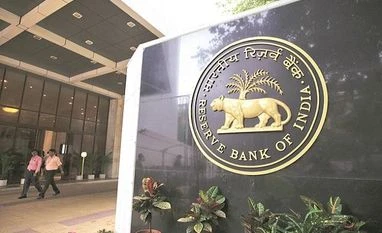 "Monetary policy review: RBI changes the way it forecasts inflation rate")












 Connect with us on WhatsApp