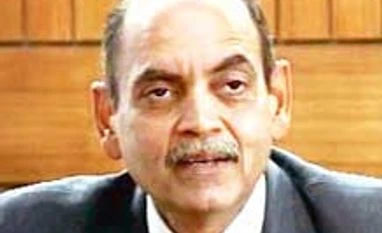
Takru to meet senior bank officials today
Revival of Maheshwar hydel project on agenda; to take stock of DBT
Manojit SahaVrishti Beniwal Mumbai/New Delhi Revival of the 400-Mw Maheshwar Hydel Power Project in Madhya Pradesh, stalled since 1998, is one of the issues at a finance ministry meeting with bankers tomorrow.
The move comes after Finance Minister P Chidambaram identified projects worth Rs 7 lakh crore which were stalled at various stages of implementation. The power sector had a major chunk of these.
According to lenders, Rajiv Takru, financial services secretary, has called a meeting of bankers tomorrow to discuss various stalled projects. Finding ways to revive Maheshwar is one of the issues.
Lenders have an exposure of Rs 2,400 crore in the projects at issue, stalled due to delay in the promoter's contribution and issues regarding rehabilitation and resettlement.
S Kumars, the promoter for Maheshwar, was unable to bring its share of contribution after the exit of US-based Ogden Energy, which had 49 per cent stake. Most of the lenders to the project have classified the loan as non-performing. Some of these are Power Finance Corporation, State Bank of India and IDBI Bank.
The finance ministry will also take stock about preparedness on the Direct Benefits Transfer (DBT) scheme. The government's flagship scheme had seen only 35 million transactions so far, transferring only Rs 45 crore to Aadhaar-seeded accounts of beneficiaries till last month. The scheme, which seeks to gradually replace various subsidies with direct cash transfers to the accounts of beneficiaries, will be extended to 78 more districts and three more schemes in July. This will take the scheme to 121 districts covering 29 schemes in about three months.
Installation of onsite ATMs in these 121 districts will have to be completed by June 30. So far, nearly eight million bank accounts have been seeded with Aadhaar; many more remain to be linked.
The finance ministry is overseeing the procuring of micro ATMs and the training of banking correspondents (BCs) for DBT transactions. It has asked public sector banks to reach out to customers through advertisements, phone calls, SMS, e-mails and ATMs, to seed their Aadhaar numbers into the bank accounts. It has also asked the banks to ensure that accounts are opened within seven days from the date of receipt of an application from the beneficiary. Takru might ask officers to closely monitor the progress.
The government will pay a commission of one per cent to banks on the total amount transferred under the scheme to compensate BCs. The fee, however, would be paid only till the time software tools to distinguish transactions completed through normal banking channels and BCs are in place. The commission would be paid subject to the condition that after the next six months, it would be examined by the banks whether the amount transferred through BCs is more than or equal to the amount transferred under DBT. If the latter, the commission would be proportionately reduced.

 "Takru to meet senior bank officials today")


 Connect with us on WhatsApp