Historic high seas agreement reached after decade of talks: Report

The negotiations had been held up for years over disagreements on funding and fishing rights
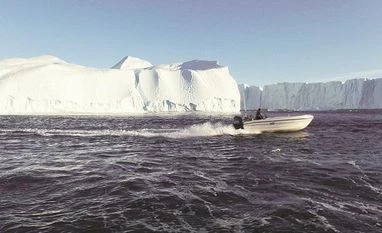
global warming, climate change, environment, ice melting, rising sea levels, greenland
Agencies
3 min read Last Updated : Mar 05 2023 | 10:43 PM IST
Nations have reached a historic agreement to protect the world’s oceans following 10 years of negotiations.

The High Seas Treaty aims to place 30 per cent of the seas into protected areas by 2030, to safeguard and recuperate marine nature.

The agreement was reached on Saturday evening, after 38 hours of talks, at UN headquarters in New York.

The negotiations had been held up for years over disagreements on funding and fishing rights.

The last international agreement on ocean protection was signed 40 years ago in 1982 — the UN Convention on the Law of the Sea.

That agreement established an area called the high seas — international waters where all countries have a right to fish, ship and do research — but only 1.2 per cent of these waters are protected.

Marine life living outside of these protected areas has been at risk from climate change, overfishing and shipping traffic.

In the latest assessment of global marine species, nearly 10 per cent were found to be at risk of extinction, according to the International Union for Conservation of Nature (IUCN).

These new protected areas, established in the treaty, will put limits on how much fishing can take place, the routes of shipping lanes and exploration activities like deep sea mining — when minerals are taken from a sea bed 200m or more below the surface.

Environmental groups have been concerned that mining processes could disturb animal breeding grounds, create noise pollution and be toxic for marine life.

The International Seabed Authority that oversees licensing told the BBC that moving forward “any future activity in the deep seabed will be subject to strict environmental regulations and oversight to ensure that they are carried out sustainably and responsibly”.


Rena Lee, UN Ambassador for Oceans, brought down the gavel after two weeks of negotiations that at times threatened to unravel.

Minna Epps, director of the IUCN Ocean team, said the main issue was over the sharing of marine genetic resources.

Marine genetic resources are biological material from plants and animals in the ocean that can have benefits for society, such as pharmaceuticals, industrial processes and food.

Richer nations currently have the resources and funding to explore the deep ocean but poorer nations wanted to ensure any benefits they find are shared equally.

Dr Robert Blasiak, ocean researcher at Stockholm University, said the challenge was that no one knows how much ocean resources are worth and therefore how they could be split.

One subscription. Two world-class reads.

Already subscribed? Log in

Subscribe to read the full story →
*Subscribe to Business Standard digital and get complimentary access to The New York Times

Smart Quarterly

₹900

3 Months

₹300/Month

SAVE 25%

Smart Essential

₹2,700

1 Year

₹225/Month

SAVE 46%
*Complimentary New York Times access for the 2nd year will be given after 12 months

Super Saver

₹3,900

2 Years

₹162/Month

Subscribe

Renews automatically, cancel anytime

Here’s what’s included in our digital subscription plans

Exclusive premium stories online

  • Over 30 premium stories daily, handpicked by our editors

Complimentary Access to The New York Times

  • News, Games, Cooking, Audio, Wirecutter & The Athletic

Business Standard Epaper

  • Digital replica of our daily newspaper — with options to read, save, and share

Curated Newsletters

  • Insights on markets, finance, politics, tech, and more delivered to your inbox

Market Analysis & Investment Insights

  • In-depth market analysis & insights with access to The Smart Investor

Archives

  • Repository of articles and publications dating back to 1997

Ad-free Reading

  • Uninterrupted reading experience with no advertisements

Seamless Access Across All Devices

  • Access Business Standard across devices — mobile, tablet, or PC, via web or app

Topics :United NationsMarinefishing

Next Story



