While the Pakistan establishment has primed the judiciary to proceed vigorously against Nawaz Sharif, the same vigour has been lacking in the pursuit of cases against Khan.
But that is now yesterday’s news. Today, the biggest challenge before Khan is the management of the economy and how he will bring it back on the rails.
That Pakistan’s economy is a mess is the world’s worst kept secret. The steady devaluation of the Pakistani rupee and erosion of foreign exchange reserves, combined with a runaway current account deficit (nearly $12.5 billion) is a cause for anxiety and loss of self-esteem as a nation. Recent reports that contractors who were seeking payment for work done on the construction of the China-Pakistan Economic Corridor were issued cheques that were not honored illustrates the depths of the crisis. Even assuming that additional multilateral and bilateral financing (the majority of which will likely come from China) plugs the financial hole, Pakistan will still need nearly $10 billion – for that, it will have no option but to approach the International Monetary Fund (IMF) once an elected government is in place.
Obviously, this will come with conditions: Pakistan’s tax revenue-to-GDP ratio currently stands at 14 per cent, made up of a tax base that is roughly one quarter of the population (56 million eligible tax payers in a population of 207 million). Tax reforms will likely follow. To avoid compliance, an instant flight of capital – undocumented funds finding their way out of the country – is likely, leading to a deepening of the crisis in the short run. The IMF is also expected to ask Pakistan to restructure and possibly privatise state-owned enterprises like Pakistan International Airlines, Pakistan Steel Mills, Pakistan Railways and the local electricity distribution companies.

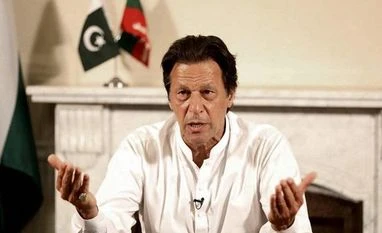 "How Imran Khan became the man set to 'lead Pakistan into the future'")









