If euro fails, Europe fails, warns Angela Merkel
German Chancellor stresses that amid Greek crisis, Europe needs the ability to compromise
AFP Berlin German Chancellor Angela Merkel stressed today that amid the Greek crisis Europe needs the ability to compromise, warning if the "euro fails, Europe fails", but insisted the bloc must also stick to its principles.
As Greece hurtles toward an EU-IMF default and deeper turmoil after the weekend breakdown of debt talks with creditors, Merkel said that if the "capability to find compromises is lost, then Europe is lost".
However she stressed that Europe's principles "need to be fought for", otherwise it could see its image diminished.
"Perhaps we could give them up in the short term, maybe we could say 'let's just give in for once'," she said.
"But I say: in the medium and long term, this would damage us. It would damage us in that we (Europe) would cease to be relevant in the world, that our unity disappears.
"That's why we need to promote again and again the ability to compromise and the principles in Europe," Merkel said, ahead of an emergency meeting with party leaders and heads of parliamentary groups to discuss the Greek crisis.
Merkel thanked Finance Minister Wolfgang Schaeuble for his efforts "day and night" to find compromises, to long applause from delegates at an event to mark 70 years since the founding of her Christian Democratic Union (CDU).
"Again and again we hear the question: 'can't we, just for once, shelve the principles?' And here we have to say: 'No we cannot' ... And that's because we want Europe to emerge from this crisis stronger than it was when it went into the crisis," Merkel said.
Earlier her spokesman had told reporters that Merkel was still prepared to hold talks with Greek Prime Minister Alexis Tsipras despite the breakdown in debt negotiations.
Steffen Seibert said the German government "really did everything it could to foster an agreement between Greece and the three institutions," referring to its international creditors.
"The chancellor also personally worked to achieve this, together with French President (Francois) Hollande," Seibert said.
He said Greece had "unilaterally" broken off negotiations "in a surprising way" with the announcement of a referendum on the European Union's bailout proposals.
Seibert stressed that "the aim of our efforts is a strong eurozone".
Tsipras late Friday announced a July 5 referendum on the measures submitted by creditors. Greece's eurozone partners refused Saturday to extend a bailout plan past Tuesday, meaning Greece faces a default and raising the risk of a eurozone exit.

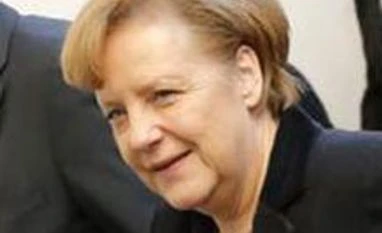 "If euro fails, Europe fails, warns Angela Merkel")


