Inflation-phobic Germans misunderstand their history, says study

Lagarde has made speaking and listening to a very wide range of voices a key priority for her time in office.
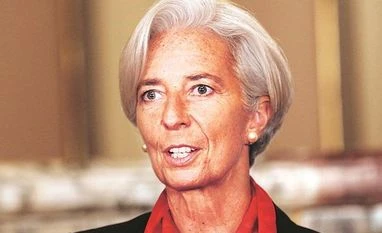
Christine Lagarde
Christine Lagarde
Bloomberg
2 min read Last Updated : Nov 02 2019 | 11:43 PM IST
Christine Lagarde’s bid to win the hearts and minds of a skeptical German audience could begin with a history lesson, new research suggests.

As she begins her eight-year term as European Central Bank president in Frankfurt, Lagarde will have to deal with a German public concerned her institution’s loose monetary policy is doing more harm than good. According to the Jacques Delors Institute in Berlin, that criticism stems from the fact that many Germans don’t quite understand their own history.

Most Germans believe their country’s interwar period was shaped by only one crisis that led to the rise of Adolf Hitler — hyperinflation during the Weimar Republic, a study by the institute found. In reality though, the Nazis took power after a period of deflation, more than a decade after runaway inflation had ended.
“Looking back into a skewed version of their own history, many Germans conclude that mass unemployment and high inflation are just two sides of the same coin,” researchers Nils Redeker, Lukas Haffert and Tobias Rommel wrote in a policy paper published Friday.

Because this misconception is most common among the better-educated and politically savvy, “the group of people following the ECB’s monetary policy most closely is also the group most likely to draw the wrong lessons from German history,” they write.

Lagarde has made speaking and listening to a very wide range of voices a key priority for her time in office.

“German policy makers and the media should try to pay attention to the complexities of economic history,” the researchers write. “The ECB will also need to sharpen German awareness as to the risks of deflation as opposed to inflation, and both the Bundesbank and the German government could also do their part here.”

One subscription. Two world-class reads.

Already subscribed? Log in

Subscribe to read the full story →
*Subscribe to Business Standard digital and get complimentary access to The New York Times

Smart Quarterly

₹900

3 Months

₹300/Month

SAVE 25%

Smart Essential

₹2,700

1 Year

₹225/Month

SAVE 46%
*Complimentary New York Times access for the 2nd year will be given after 12 months

Super Saver

₹3,900

2 Years

₹162/Month

Subscribe

Renews automatically, cancel anytime

Here’s what’s included in our digital subscription plans

Exclusive premium stories online

  • Over 30 premium stories daily, handpicked by our editors

Complimentary Access to The New York Times

  • News, Games, Cooking, Audio, Wirecutter & The Athletic

Business Standard Epaper

  • Digital replica of our daily newspaper — with options to read, save, and share

Curated Newsletters

  • Insights on markets, finance, politics, tech, and more delivered to your inbox

Market Analysis & Investment Insights

  • In-depth market analysis & insights with access to The Smart Investor

Archives

  • Repository of articles and publications dating back to 1997

Ad-free Reading

  • Uninterrupted reading experience with no advertisements

Seamless Access Across All Devices

  • Access Business Standard across devices — mobile, tablet, or PC, via web or app

Topics :Christine Lagarde

Next Story



