Home / World News / New talks on Iran nuclear deal open in Geneva
New talks on Iran nuclear deal open in Geneva
Negotiators have said they want to implement the deal, which aims to rein in Tehran's nuclear programme in exchange for some sanctions relief, by January 20
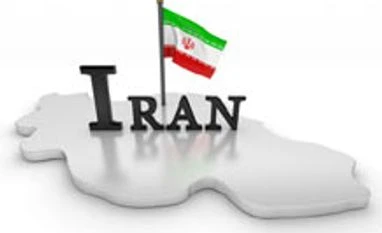
<a href="http://www.shutterstock.com/pic-63590809/stock-photo-iran-tribute-digitally-rendered-scene-with-flag-and-typography.html" target="_blank">Iran flag</a> image via Shutterstock
Iran and world powers met today to discuss how to implement a landmark deal aimed at containing Tehran's nuclear drive, less than two weeks before the agreement is due to take effect.
Iranian, EU and US negotiators gathered in Geneva for their highest-level talks since hammering out the groundbreaking November 24 deal.
Russian President Vladimir Putin and his Iranian counterpart Hassan Rouhani also discussed the implementation of the accord in a phone conversation earlier in the day, according to the Kremlin.
Negotiators have said they want to implement the deal, which aims to rein in Tehran's nuclear programme in exchange for some sanctions relief, by January 20.
Iranian Foreign Minister Mohammad Javad Zarif voiced optimism ahead of the talks, but some observers warned of possible sticking points that could lead to a delay in rolling out the deal.
Little information has filtered out about the Geneva talks, which were scheduled to continue tomorrow but they were expected to focus heavily on the thorny issue of advanced centrifuges.
The European Union, which represents the so-called P5+1 group of world powers -- Britain, China, France, Russia and the United States plus Germany -- has kept a tight lid on details about when and where the discussions were taking place.
Iran's deputy chief nuclear negotiator Abbas Araqchi and Helga Schmid, deputy to EU foreign policy chief Catherine Ashton, will "discuss outstanding issues" on implementing the deal, was all Ashton's spokesman Michael Mann would tell AFP.
Top US nuclear negotiator Wendy Sherman will meet with both Araqchi and Schmid, the State Department said, without confirming reports there would be a three-way encounter.
Mann also refused to say if the three would meet together, stressing that "Schmid is in Geneva to meet Araqchi."
Western powers and Israel fear Iran is seeking to develop the atomic bomb under the guise of a civilian nuclear programme but Tehran has always denied this.
Under the November deal, Iran agreed to curb parts of its nuclear drive for six months in exchange for receiving modest relief from international sanctions and a promise by Western powers not to impose new measures against its hard-hit economy.
Technical experts from both sides have since held several sessions in Geneva aimed at finetuning the deal.
Zarif, also Iran's top nuclear negotiator, said on Facebook yesterday that "the nuclear talks are continuing with seriousness and a strong political will".
But some observers said a new generation of nuclear centrifuges, which could potentially enable Iran to rapidly purify uranium to a weapons-grade level, might become a sticking point.

 "New talks on Iran nuclear deal open in Geneva")


 Connect with us on WhatsApp