Oil prices edged down on Friday but were set to post their biggest annual gains in 12 years, spurred by the global economic recovery from the Covid-19 slump and producer restraint, even as infections surged to record highs around the world.
Brent crude futures fell 3 cents to $78.28 a barrel at 0718 GMT, while US West Texas Intermediate (WTI) crude futures dropped 10 cents, or 0.1 per cent, to $76.89 a barrel.
Brent is on track to end the year up 53 per cent, while WTI is heading for a 58 per cent gain, the strongest performance for the two benchmark contracts since 2009, when prices soared more than 70 per cent. Both contracts touched their 2021 peak in October, with Brent at $86.7 a barrel, the highest since 2018, and WTI at $85.41 a barrel, the loftiest since 2014.
Global oil prices are expected to rise further next year as jet fuel demand catches up.
"We've had Delta and Omicron and all manner of lockdowns and travel restrictions, but demand for oil has remained relatively firm. You can attribute that to the effects of stimulus supporting demand and restrictions on supply," said Australian brokerage firm CommSec's Chief Economist Craig James.
However, after rising for several straight days, oil prices stalled on Friday as Covid cases soared to new pandemic highs across the globe, from Australia to the US, stoked by the highly transmissible Omicron coronavirus variant.
US health experts warned Americans to prepare for severe disruptions in coming weeks, with infection rates likely to worsen amid increased holiday travel, New Year celebrations, and school reopenings following winter breaks.
With oil hovering near $80, the Organization of the Petroleum Exporting Countries (Opec), Russia and allies, together called Opec+, will probably stick to their plan to add 400,000 barrels per day of supply in February when they meet on January 4, four sources said, as they continue to wind back sharp production cuts implemented in 2020.
"I think we will see a lot of pressure on Opec+ to make sure there's enough oil being supplied to market," said James.

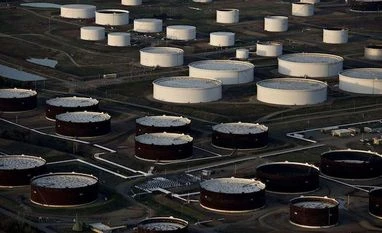 "Oil heads for biggest annual gains since 2009; Brent to post 50% gains")












