
OPEC and allies to decide crude oil output amid omicron spike
Analysts say the group is likely to add 400,000 barrels of oil per day in February, sticking with the road map it has followed since August
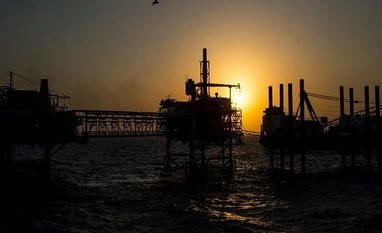 "OPEC and allies to decide crude oil output amid omicron spike")
WebinarsNew
Deep DiveNew
Explore Business Standard
Analysts say the group is likely to add 400,000 barrels of oil per day in February, sticking with the road map it has followed since August
OPEC and allied oil-producing countries are expected to press ahead Thursday with restoring cutbacks in output made during the depths of the coronavirus pandemic as hopes grow that travel and demand for fuel will hold up despite the rapid spread of the omicron variant.
Analysts say the group is likely to add 400,000 barrels of oil per day in February, sticking with the road map it has followed since August. The 23-member OPEC+ alliance, led by oil cartel member Saudi Arabia and non-member Russia, meets online every month to decide production levels for the month ahead.
U.S. oil prices plunged as low as USD 65 per barrel and stocks slid in late November after the first reports about the ultra-contagious omicron variant.
But markets have since calmed down amid evidence that the variant while more likely to infect people may cause less severe disease and as data on vehicle traffic and aviation activity shows that, so far, omicron is not sharply reducing demand for fuel, said Bjornar Tonhaugen, head of oil markets at Rystad Energy.
The impact on actual oil consumption is, so far, very limited," Tonhaugen said. Now, OPEC seems to be fairly comfortable with staying true to their original plan, which is to use the opportunity every month to decide to bring back this 400,000 barrels per day of production for the coming month."
OPEC+ decided to cautiously raise production at its December meeting that set production for this month and reassured jittery markets by saying the decision could be quickly revisited if it became apparent omicron was having a severe impact. It's a step that Tonhaugen described as a master stroke and that might be repeated at Thursday's meeting.
The production increases are gradually restoring deep reductions made in 2020 as demand for motor and aviation fuel plummeted because of pandemic lockdowns and travel restrictions. At times, OPEC+ hasn't moved fast enough in raising production for U.S. President Joe Biden, who has urged producing countries to open the taps wider to combat surging gas prices.
The U.S. and other oil-consuming countries on Nov. 23 announced a coordinated release of oil from strategic reserves in an effort to contain rising energy prices that have helped fuel inflation and raised politically sensitive gasoline prices for U.S. drivers. Yet Biden's move is seen as having only a muted effect on prices.
Ahead of Thursday's meeting, U.S. crude traded up 0.5 per cent, at USD 76.49 per barrel, while international benchmark Brent crude also rose 0.5 per cent, to USD 79.36 per barrel.
A recent decline in U.S. gasoline prices which are significantly influenced by the price of crude has steadied at a national average of USD 3.28 per gallon, down from about USD 3.40 in mid-November.
(Only the headline and picture of this report may have been reworked by the Business Standard staff; the rest of the content is auto-generated from a syndicated feed.)
First Published: Jan 04 2022 | 5:19 PM IST

