Setback for renewable energy, says S&P
Trump has promised to open all federal lands and waters to fossil fuel production, in contrast to Hillary Clinton
Shreya Jai New Delhi Moving away from fossil fuel reliance could be hit by the election of Donald Trump as US President, says New York-based S&P Global, a financial information and analysis entity.
“While Trump has given few details about his energy plans, his statements during the campaign indicate he would likely adopt policies that attempt to expand fossil fuel production, ease regulations on industry and roll back President Barack Obama’s clean air policies,” it said. Trump has said he would dismantle or overhaul the Environmental Protection Agency and roll back Obama administration regulations on coal industry pollution. Trump is also expected to try to scrap the Clean Power Plan. He has on several occasions questioned the consensus that human activity is causing climate change.
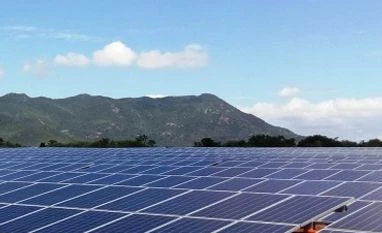
Trump’s possible efforts to end incentives for alternative energy development would boost near-term demand for fossil fuels. For example, a potential cut in the Investment Tax Credit to 10 per cent from the current 30 per cent would slash solar energy installation demand by 60 per cent, according to S&P Global Market Intelligence.
Trump has promised to open all federal lands and waters to fossil fuel production, in contrast to Hillary Clinton, his opponent. She had called for stricter limits on oil and gas production on public land and indicated she wanted US offshore production confined to the Gulf of Mexico.
Analysts say it is impossible to determine just how much of an impact a Trump administration might have on domestic supply because of a number of shifting factors, particularly prices. However, Trump, widely seen as a far bigger supporter of the oil and natural gas industry, is likely to rebuff any environmentalist attempts to curb domestic fossil fuel production. And, to give US producers access to far more onshore and offshore plays than Clinton would have.
Trump would likely quash efforts to institute new greenhouse gas performance standards for petroleum refineries and could push to weaken future fuel economy standards for light-duty vehicles.
“At the same time, oil demand is driven by a country’s gross domestic product (GDP) and will likely be defined by economic factors largely outside the new president’s control,” said Stewart Glickman, head of energy equity research for S&P Global Market Intelligence. In spite of any policy changes, if GDP goes up, people are likely to drive more and demand to increase, he said.

 "Setback for renewable energy, says S&P")


 Connect with us on WhatsApp