Home / World News / US Congress passes 'Malala Yousafzai Scholarship Act' for Pakistani women
US Congress passes 'Malala Yousafzai Scholarship Act' for Pakistani women
The US has passed the 'Malala Yousafzai Scholarship Act' which will expand the number of scholarships available to Pakistani women to receive higher education under a merit and needs-based programme
The US Congress has passed the 'Malala Yousafzai Scholarship Act' which will expand the number of scholarships available to Pakistani women to receive higher education under a merit and needs-based programme.
Passed by the House of Representatives in March 2020, the bill was passed by the United States Senate by a voice vote on January 1. The bill now heads to the White House for US President Donald Trump to sign into law.
The bill requires the US Agency for International Development to award at least 50 per cent of scholarships under a Pakistan-based higher education scholarship programme to Pakistani women, from 2020 to 2022, across a range of academic disciplines and in accordance with existing eligibility criteria.
The bill also requires USAID to consult with and leverage investments by the Pakistani private sector and Pakistani diaspora in the United States to improve and expand access to education programmes in Pakistan.
Among other thing, it requires USAID to brief Congress annually on the number of scholarships awarded under the programme, including breakdowns by gender, discipline, and degree type; the percentage of recipients who were involuntarily pushed out of the programme for failure to meet programme requirements; and the percentage of recipients who dropped out of school, including due to retaliation for seeking education.
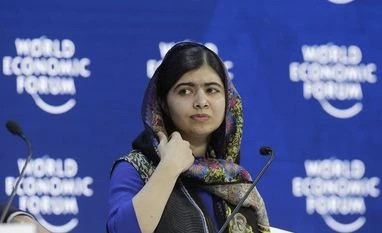
On October 10, 2014, Malala shared the Nobel Peace Prize with Indian children's rights activist Kailash Satyarthi for her "struggle against the suppression of children and young people and for the right of all children to education".
In October 2012, Malala was shot in the head by Pakistani Taliban on her way home from school. In late 2008, she began making the case for access to education for women and girls despite objections from the Pakistani Taliban.
Since 2010, the USAID has awarded more than 6,000 scholarships for young women to receive higher education in Pakistan. The bill expands this programme.
(Only the headline and picture of this report may have been reworked by the Business Standard staff; the rest of the content is auto-generated from a syndicated feed.)

 "US Congress passes 'Malala Yousafzai Scholarship Act' for Pakistani women")


