Banking sector is slowly emerging from after-effects of 3 waves of Covid-19

For the banking sector, it will be a tough year, with more to negotiate
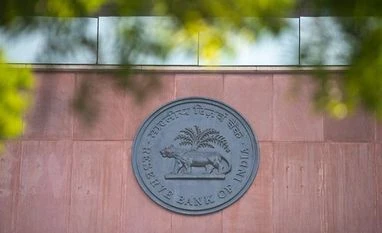
RBI, Reserve Bank of India
Photo: Shutterstock
Business Standard Editorial Comment
3 min read Last Updated : Mar 17 2022 | 6:30 AM IST
Reserve Bank of India (RBI) governor Shaktikanta Das in his policy statement last month referred to “Knightian uncertainty” (named after the economist Frank Knight). It’s the lack of any quantifiable knowledge about some possible occurrence, as opposed to quantifiable risk. His observation was on Covid-19 and the fallout of its mutations, but it holds true of the post-Ukraine world as well.

The banking sector is slowly emerging from the after-effects of three waves of the pandemic. Non-food credit growth rose 8.3 per cent in February 2022, from a low of 5.4 per cent in April 2021. All indicators show that banks are better placed now than at any time in the last five years. Large corporates are better off after deleveraging; and retail continues to be the major driver, accounting for around 37 per cent of the incremental credit off-take up to Q3FY22. Yet, there is a sense that something is clearly not firing the way it should.
 
Last month, the second advance estimates of the National Statistical Office placed GDP growth at 8.9 per cent for FY22, lower than its earlier estimate of 9.2 per cent. GDP growth for the October-December 2021 quarter is seen at 5.4 per cent, compared to 0.7 per cent in the corresponding period a year ago. The RBI’s February bi-monthly policy had placed growth for FY23 at 7.8 per cent (down from 9.2 per cent expected in FY22) — lower than the 8-8.5 per cent projected in the Economic Survey. In light of the Ukraine conflict, all these assumptions need to be revisited.

And we are still in the early days of the latest geo-political turmoil. Crude oil prices now hover around $110/barrel. If they stay elevated for long, it can lead to higher inflation, a wider current account deficit, and the related impacts of north-bound interest rates. It can upset all calculations underlying the Union Budget for FY23. Another variable is that we are also headed for a busy political period, with the government well into the second half of its current term.

For the banking sector, it will be a tough year, with more to negotiate. “Knightian uncertainty” is truly upon us.

The Banking Annual is also about celebrating success. A five-member distinguished jury headed by former RBI Deputy Governor S S Mundra selected ICICI Bank MD and CEO Sandeep Bakhshi as the Business Standard Banker of the Year 2021. Happy reading!

One subscription. Two world-class reads.

Already subscribed? Log in

Subscribe to read the full story →
*Subscribe to Business Standard digital and get complimentary access to The New York Times

Smart Quarterly

₹900

3 Months

₹300/Month

SAVE 25%

Smart Essential

₹2,700

1 Year

₹225/Month

SAVE 46%
*Complimentary New York Times access for the 2nd year will be given after 12 months

Super Saver

₹3,900

2 Years

₹162/Month

Subscribe

Renews automatically, cancel anytime

Here’s what’s included in our digital subscription plans

Exclusive premium stories online

  • Over 30 premium stories daily, handpicked by our editors

Complimentary Access to The New York Times

  • News, Games, Cooking, Audio, Wirecutter & The Athletic

Business Standard Epaper

  • Digital replica of our daily newspaper — with options to read, save, and share

Curated Newsletters

  • Insights on markets, finance, politics, tech, and more delivered to your inbox

Market Analysis & Investment Insights

  • In-depth market analysis & insights with access to The Smart Investor

Archives

  • Repository of articles and publications dating back to 1997

Ad-free Reading

  • Uninterrupted reading experience with no advertisements

Seamless Access Across All Devices

  • Access Business Standard across devices — mobile, tablet, or PC, via web or app

Topics :CoronavirusBS Banking AnnualBanking sectorRBI

Next Story



