In the 1970s, brands used to advertise primarily through newspapers/magazines, outdoor signage, radio and cinemas. Ad films were shot keeping in mind that the audience would see them in Technicolour on a large screen of maybe 500 sq ft with a booming audio system. Some of the more iconic ads of those days, such as the Liril Waterfall or the Nescafe Kaziranga or the Old Spice Surfing, worked because they used the full impact of the big screen and a captive audience.
Then came television. First we had 21- and 23-inch televisions. In black and white. Television is the ultimate family medium, to the extent that most Indian homes had a sofa facing the TV set in the living room. You did not have booming sound and you did not have a 500-sq ft screen for those dramatic shots of a waterfall or a tiger reserve. I remember discussing this with Kamlesh Pandey and Sridhar Kshirsagar in 1980. What is the difference, was my naïve question. I knew the screen was small, but what else? I was told that television is a family medium and you cannot have panoramic shots on a television screen (definitely not on a black-and-white screen). Since it is a family medium, you can have characters speaking to the audience. One on one. Dialogues became important. Facial expressions, too. The iconic ads of that time, such as the Dhara jalebi or the Surf Lalitaji ad, used dialogues to great effect. When we were making ads in the early 1980s, it was a common practice to also check if the ad played okay on a black-and-white television set; this was a must for FMCG brands since rural consumers might be watching the ad on an old B&W television set.
Then came 2015, and Indians became the largest consumers of video content on their mobile phones. What worked for cinema was suboptimal for television. What was perfect for television was probably not so for a laptop. And what about the five-inch mobile screen? What should brands do? Make the same ad and run it across cinemas, television and mobile? Or should they curate it for one medium and let that play on the other two? Or spend time and effort to “repurpose” the video for each medium?
If what we are seeing is not a passing trend, video consumption in India is moving more and more towards the mobile phone. This means that consumers are going to see our ads on a 5-inch screen. They may have a wired headphone or may be playing the sound through the mobile phone’s speakers. The mobile phone is going to be less than 10 inches away from the eyes of the viewer. The viewer may be doing something else while watching a video: eating, cooking, maybe attending a Zoom meeting!
If we knew how to adapt ad filmmaking from the cinema era to the television era, by adding characters, dialogues etc, what should we do now for the mobile video content era? Should we go hyper close, or as they say ECU (extreme close-up)? Should we always do same language subtitling? Should we keep the panoramic shots to the bare minimum (just try watching Foundation on your Apple phone to know what I am saying)? I think there is a need for a rethink of what we need to do when we create ads for the mobile phone era. What worked for television may not be perfect. And what was great on big screen cinema may look like garbage on a mobile phone. Colours, music, characters, dialogues, editing all need to be rethought. Brands should decide what they want to optimise for: television or laptop or mobile or cinema. And go all the way.

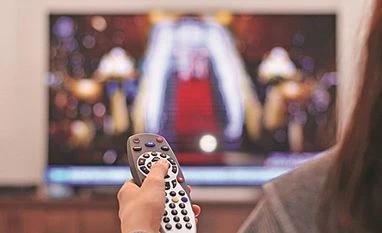 "Does size matter?")












 Connect with us on WhatsApp