Unnecessary intervention

No tax benefit needed for retail bond investors
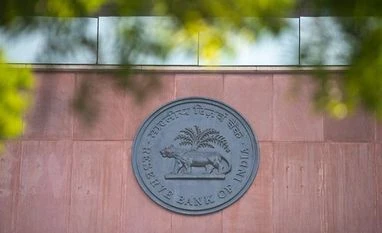
RBI, Reserve Bank of India
Photo: Shutterstock
Business Standard Editorial Comment Mumbai
3 min read Last Updated : Nov 16 2021 | 11:04 PM IST
The Reserve Bank of India (RBI) is reportedly contemplating approaching the Union government to ask for tax benefits for retail investors investing in government bonds through its platform. Prime Minister Narendra Modi last week launched the RBI Retail Direct Scheme. The scheme, which was announced earlier this year, enables individual investors to open a “Retail Direct Gilt Account” with the RBI through an online portal. This will enable individual investors to participate in both primary issuances of government securities and the secondary market. The idea behind allowing individual investors to directly open an account with the RBI and participate in the bond market is well understood. This will not only increase the ease of investing in government bonds for individual investors but also potentially widen the pool of investors over time.

However, the idea of extending tax benefits to encourage retail participation in the government bond market is unnecessary and must be avoided. In fact, it would be odd for the RBI to suggest extending tax benefits for individual bond investors. The platform is expected to widen the pool of investors, but it is unlikely to constitute a significant part of the government borrowing programme. The RBI completed the government borrowing programme last fiscal year — a pandemic year — in a non-disruptive manner and at relatively low interest rates. Both the central bank and the government must recognise that the new retail bond platform will not necessarily increase household financial savings. It will, at best, lead to a shift in the household debt portfolio. Thus, extending tax benefits will only result in revenue loss for the government and must be avoided. It has been argued that the retail bond investment may be extended the same benefits as the debt mutual fund schemes.
 
As a matter of fact, it would make sense to bring all debt instruments on a par by removing tax benefits. This will not only simplify the tax structure but also drive individual investors to evaluate products on their merit. It is worth noting that there is ample evidence of individual investors investing in financial products without properly understanding them to avail themselves of tax benefits. It is correct that government of India bonds are risk-free, but investors entering the market at this stage are likely to suffer capital loss if they decide to sell bonds over the next few years as interest rates are likely to go up from the present level. Thus, the RBI would be well advised to first spread awareness and sensitise investors about potential risks associated with bond market investing.

In the present circumstances, it’s not the tax treatment but the RBI’s own policies that will discourage individual investors from investing in government bonds. The RBI is maintaining the policy interest rate below the inflation rate with a significantly higher level of liquidity, which has further depressed market interest rates. Although the RBI has done this to support economic growth, it has made debt investment unattractive. The RBI has started the policy normalisation process, but it will take a while before the policy rate moves into positive territory in real terms. Besides, individual investors have the option of investing in small savings instruments that offer higher yields. The RBI has done well to increase the ease of investing in government bonds for individual investors, but there is no real need to push them to opt for it.

One subscription. Two world-class reads.

Already subscribed? Log in

Subscribe to read the full story →
*Subscribe to Business Standard digital and get complimentary access to The New York Times

Smart Quarterly

₹900

3 Months

₹300/Month

SAVE 25%

Smart Essential

₹2,700

1 Year

₹225/Month

SAVE 46%
*Complimentary New York Times access for the 2nd year will be given after 12 months

Super Saver

₹3,900

2 Years

₹162/Month

Subscribe

Renews automatically, cancel anytime

Here’s what’s included in our digital subscription plans

Exclusive premium stories online

  • Over 30 premium stories daily, handpicked by our editors

Complimentary Access to The New York Times

  • News, Games, Cooking, Audio, Wirecutter & The Athletic

Business Standard Epaper

  • Digital replica of our daily newspaper — with options to read, save, and share

Curated Newsletters

  • Insights on markets, finance, politics, tech, and more delivered to your inbox

Market Analysis & Investment Insights

  • In-depth market analysis & insights with access to The Smart Investor

Archives

  • Repository of articles and publications dating back to 1997

Ad-free Reading

  • Uninterrupted reading experience with no advertisements

Seamless Access Across All Devices

  • Access Business Standard across devices — mobile, tablet, or PC, via web or app

Topics :Reserve Bank of IndiaTax benefitsRBIRetail investorsBusiness Standard Editorial Comment

Next Story



