Going abroad for studies? Student policies from Indian insurers are cheaper

If you buy from them, and not from a university-approved insurer, make sure the policy meets all specifications
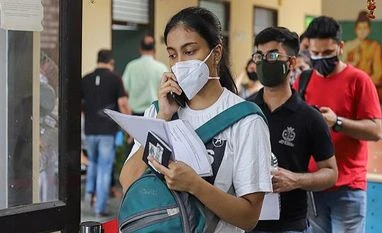
Students, college, education, universities, admissions, vaccination, coronavirus, covid-19, vaccine
On the non-medical side, the policy must cover for loss of passport or luggage, flight cancellation or trip delay, and bail bond
Abeer Ray New Delhi
4 min read Last Updated : Jul 30 2021 | 11:45 PM IST
Indian students headed to foreign universities for higher education must ensure they buy a student travel insurance policy. They can buy this policy from an insurer in India, or from a foreign insurer approved by their university.

Buying this cover is essential. In countries like the US, it is mandatory for foreign students to have student insurance. Even if the university does not impose this condition, students must buy this cover for their own financial well-being. They will spend several years abroad, and the cost of medical treatment tends to be very high in the developed world. The ongoing pandemic has made it all the more essential to be adequately insured.  

Indian covers

An insurance policy purchased in India is likely to be less expensive than one purchased abroad. The policies offered by Indian insurers also cover many non-medical emergencies. “They offer 360-degree protection against problems like passport loss, baggage loss, etc,” says Rakesh Goyal, director, Probus Insurance.

According to Adhil Shetty, chief executive officer (CEO), BankBazaar.com, “An Indian student travel insurance policy comes with unique features like auto renewal and policy extension facility.”  

These covers have a few shortcomings, however. “Most of them do not cover expenses related to mental health treatment or pregnancy and childcare,” says Shetty.

Several private insurers offer this cover. According to brokers, the premium would be around Rs 9,000-15,000 for a cover of $1,00,000 for a 20-plus youth headed to an American university.

University-approved covers

University-approved insurers’ policies have all the features stipulated by the university. According Raj Khosla, founder and managing director, MyMoneyMantra, “This makes it more convenient to buy a university-facilitated policy.” Some of them could also offer more comprehensive coverage than Indian policies.

On the flip side, they are likely to be costlier. They may also not offer continuous coverage: the interim period between two academic years may not be covered.

Things you must check

If you decide to buy an Indian cover, you must check whether it meets your university’s specifications.

The policy must also offer adequate and broad coverage. Says Khosla: “The amount of cover must be adequate for taking care of all medical costs. And the policy should cover you for hospitalisation, prescription medicines, private nurse, dental care, and accident and disability.”          

The policy should offer features like assistance in repatriation (transporting mortal remains to India in case of demise), and should pay for the to-and-fro tickets of a family member in case he falls ill and requires someone to take care of him.        

On the non-medical side, the policy must cover for loss of passport or luggage, flight cancellation or trip delay, and bail bond.  

Check the clause regarding waiting period before coverage for pre-existing illnesses begins. Also familiarise yourself with the policy exclusions. Many countries enforce a quarantine on students when they arrive. “Our policy does not cover vaccination or hotel quarantine,” says Sourabh Chatterjee, head-IT, web sales and travel, Bajaj Allianz General Insurance.

Most of these policies come with a deductible. If the deductible is $100, it means that any bill up to this amount will have to be paid by the student. If the bill is larger, the insured will pay $100 and the insurer will pay the balance.

Finally, don’t purchase this cover at the last moment. Says Khosla: “When you do so, you will make the purchase without properly understanding its features like what is covered, the exclusions, deductible, and so on.” Take the time to compare the features and premiums of policies offered by various insurers before deciding on one.
Points to remember

  •  Insurers offer various plans, like basic, standard, silver, gold, platinum, etc
  • These policies can have sub-limits for each item covered, so check if they are adequate in the plan you are buying
  •  Some insurers offer study interruption cover, which reimburses the current semester’s fee you may have already paid, if your study gets interrupted due to an illness
  •  You could also buy sponsor protection, which reimburses the tuition fee if the sponsor passes away
  • Do check the policy wordings for complete clarity on pre-existing policies

One subscription. Two world-class reads.

Already subscribed? Log in

Subscribe to read the full story →
*Subscribe to Business Standard digital and get complimentary access to The New York Times

Smart Quarterly

₹900

3 Months

₹300/Month

SAVE 25%

Smart Essential

₹2,700

1 Year

₹225/Month

SAVE 46%
*Complimentary New York Times access for the 2nd year will be given after 12 months

Super Saver

₹3,900

2 Years

₹162/Month

Subscribe

Renews automatically, cancel anytime

Here’s what’s included in our digital subscription plans

Exclusive premium stories online

  • Over 30 premium stories daily, handpicked by our editors

Complimentary Access to The New York Times

  • News, Games, Cooking, Audio, Wirecutter & The Athletic

Business Standard Epaper

  • Digital replica of our daily newspaper — with options to read, save, and share

Curated Newsletters

  • Insights on markets, finance, politics, tech, and more delivered to your inbox

Market Analysis & Investment Insights

  • In-depth market analysis & insights with access to The Smart Investor

Archives

  • Repository of articles and publications dating back to 1997

Ad-free Reading

  • Uninterrupted reading experience with no advertisements

Seamless Access Across All Devices

  • Access Business Standard across devices — mobile, tablet, or PC, via web or app

Topics :Indian studentstravel insurance policyInsurerstudy abroadPersonal Finance

Next Story



