
Japan's inflation slows for fourth month, factory output slips
Data highlights challenges before BOJ for achieving 2% inflation target
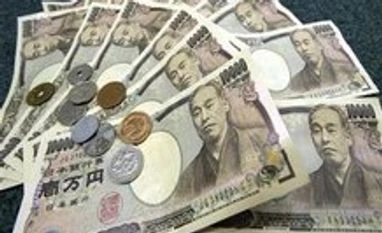 "Japan's inflation slows for fourth month, factory output slips")
WebinarsNew
Deep DiveNew
Explore Business Standard
Data highlights challenges before BOJ for achieving 2% inflation target
Japanese annual core consumer inflation slowed for a fourth straight month in November due largely to sliding oil prices, highlighting the challenges the central bank faces in achieving its 2% inflation target.
Factory output unexpectedly fell and real wages marked the steepest drop in five years, underscoring the fragility of the recovery and dealing a blow to premier Shinzo Abe's stimulus policies aimed at pulling the economy out of stagnation.
The core consumer price index (CPI), which excludes volatile fresh food but includes oil products, rose 2.7% in November from a year earlier, matching a median market forecast, government data showed on Friday.
Stripping out the effects of a sales tax hike in April, core consumer inflation was 0.7%, slowing from 0.9% in October and far below the Bank of Japan's 2% target.
"While the economy is recovering, falling oil prices and slowing inflation will force the BOJ to ease policy further at some point next year," said Hiroshi Watanabe, senior economist at SMBC Nikko Securities.
Japan's economy slipped into recession in the wake of April's tax hike, though analysts expect growth to rebound in the current quarter as exports and output pick up.
Factory output slid 0.6% in November after two straight months of gains, largely the effect of big-ticket items such as computer chip-making equipment and boilers boosting October output and confounding market expectations of a 0.8% rise.
In a glimmer of hope, however, manufacturers surveyed by the government expect output to rise 3.2% in December and increase 5.7% in January.
Economics Minister Akira Amari told reporters the drop in November was likely a temporary blip, given the sharp increase projected for coming months.
BOJ Governor Haruhiko Kuroda stressed last week that Japan was on track to hit the price goal, shrugging off speculation that a recent plunge in oil prices would weigh on consumer prices and force him to ease policy again early next year.
But many analysts remain doubtful that the BOJ can meet its pledge of accelerating inflation to 2% in the next fiscal year, beginning in April 2015.
Reflecting the recovery, job availability hit a 22-year high and the number of part-time workers exceeded 20 million for the first time since relevant data became available in 1984.
But companies remained reluctant to increase wages, a bad sign for consumption. Household spending fell 2.5% in the year to November, against a market forecast for a 3.8% drop.
First Published: Dec 26 2014 | 9:47 AM IST


 Connect with us on WhatsApp