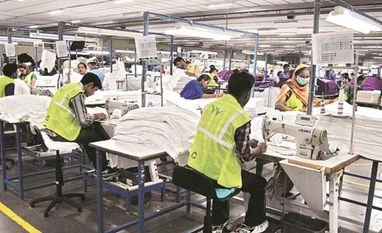
MSME margins to shrink on Covid-induced loss of demand: CRISIL SME Tracker

Long constrained for liquidity, MSMEs now also have to cope with loss of demand, labour shortage, and heightened risk aversion in the financial system due to the Covid-19 pandemic.

msme, jobs, workers, supply chain, industy, manufacturing, production
CRISIL Research expects MSMEs to log a revenue contraction of 17-21 per cent this fiscal.
Business Standard New Delhi
2 min read Last Updated : Jul 21 2020 | 12:02 AM IST

Don't want to miss the best from Business Standard?

CRISIL Research expects the likely contraction of 5 per cent in India’s gross domestic product (GDP) in the current fiscal year to impact micro, small and medium enterprises (MSMEs) especially hard — and micro units harder than their small and medium peers.
 
Long constrained for liquidity, MSMEs now also have to cope with loss of demand, labour shortage, and heightened risk aversion in the financial system due to the Covid-19 pandemic. All this will stretch their already-strained financials.
 
CRISIL Research expects MSMEs to log a revenue contraction of 17-21 per cent this fiscal. Among key sectors, consumer discretionary and construction are expected to see revenue contraction of more than 20 per cent each.
 
Given the pandemic-induced demand destruction, the Ebitda (earnings before interest, taxes, depreciation and amortisation) margin for MSMEs overall is expected to decline from 7 per cent on average in the last four fiscal years to 4-5 per cent this fiscal, despite a slide in commodity prices.

A case in point is transport operators, which face weak freight demand and low capacity utilisation, resulting in margin deterioration despite lower fuel prices.

Despite factoring in the moratorium benefit, interest cover is expected to halve from 2.4 times in the last four fiscal years to 1-1.5 times in the current fiscal, owing to a decline at the operating level. In the absence of the moratorium benefit, interest cover would have slipped significantly below 1.
 
Our analysis indicates that working capital days tend to stretch by 15-20 per cent in years of low growth, compared with those of normal growth.
 
The increase in working capital would be the highest for MSME sectors with higher B2B sales and share of exports. Accordingly, gems and jewellery, textiles, readymade garments and EPC real estate would witness the highest impact on working capital in FY21.
 

One subscription. Two world-class reads.

Already subscribed? Log in

Subscribe to read the full story →
*Subscribe to Business Standard digital and get complimentary access to The New York Times

Smart Quarterly

₹900

3 Months

₹300/Month

SAVE 25%

Smart Essential

₹2,700

1 Year

₹225/Month

SAVE 46%
*Complimentary New York Times access for the 2nd year will be given after 12 months

Super Saver

₹3,900

2 Years

₹162/Month

Subscribe

Renews automatically, cancel anytime

Here’s what’s included in our digital subscription plans

Exclusive premium stories online

  • Over 30 premium stories daily, handpicked by our editors

Complimentary Access to The New York Times

  • News, Games, Cooking, Audio, Wirecutter & The Athletic

Business Standard Epaper

  • Digital replica of our daily newspaper — with options to read, save, and share

Curated Newsletters

  • Insights on markets, finance, politics, tech, and more delivered to your inbox

Market Analysis & Investment Insights

  • In-depth market analysis & insights with access to The Smart Investor

Archives

  • Repository of articles and publications dating back to 1997

Ad-free Reading

  • Uninterrupted reading experience with no advertisements

Seamless Access Across All Devices

  • Access Business Standard across devices — mobile, tablet, or PC, via web or app

Topics :CoronavirusLockdownCRISIL SME TRACKER MSMEsIndian EconomyMSME sectorMSMEsSME companiesCrisilGross domestic productGDP growthMSME creditReserve Bank of India RBI

Next Story