Robert MacFarlane is well-known Cambridge University scholar who has written several books on the theme of the fragility of nature and its relentless spoliation in the service of extractive and profit-seeking corporate interests enabled by complicit state authority. His latest book blends together travel writing, biography and science to create a compelling narrative about the umbilical cords that connect humanity to the natural world it inhabits. The title of the book presages what follows — the notion that life animates the rivers, mountains, forests, and the oceans around us, that they cannot be treated as inanimate entities or pieces of material property that may be subjected to division or exploitation by their “owners”, whether individuals, companies or governments. Throughout the book he treats the river as a living entity, with its own peculiar temperament, its own changing moods, and living and dying as any animate being. Once we acknowledge that the river is alive then our whole relationship with it changes and there is hope that we may be able to conserve what is left and to revive what has been lost.
The second journey takes him to Tamil Nadu in southern India, where the city of Chennai is watered by three rivers — the Kosasthalaiyar, the Cooum and the Adyar — and a network of lagoons and water bodies, which have been turned into toxic sewers by untreated industrial effluents or buried under relentlessly advancing urban concrete. There are memories of local communities fishing in the freshwater creeks, drinking clean water, and cultivating their meagre crops along their banks. There are still a few lakes and lagoons that survive but are threatened with extinction. At the mouth of the Adyar river, as it enters the sea, the Olive Ridley turtles still make their way to the sea across the stretch of sandy beach, but in ever-diminishing numbers. If Los Cedros was all about a river thunderously alive, the rivers of Chennai reek of death and disease.
The third and final journey is along the Mutehekau Shipu or the Magpie river in Quebec in Canada, which drains into the Gulf of St Lawrence. It is threatened by a hydro-electric dam project. It is being tenuously defended by the indigenous communities inhabiting the area. Mr MacFarlane travels north to the headwaters of the river, then canoes downstream, braving rapids and swift currents before reaching the bay. The descriptions of the breathtaking scenery encountered during the journey are full of passion and poetry but one is also infected by the intimation of impending and irretrievable loss.
Mr MacFarlane weaves into the narrative brief encounters with a bubbling spring near his own home, which over the period of writing revives from meagre stirrings into a more confident and substantial flow. This injects a sliver of hope and recovery in what is in part a depressing saga of wanton destruction or impending destruction of living nature.
The book introduces us to an amazing cast of characters who accompany Mr MacFarlane on his river journeys. They are bound to the rivers they seek to protect with fierce dedication. Some are eccentric, inhabiting the margins of society. Others are exceptionally knowledgeable about the natural world and acutely sensitive to the risks we all confront if the ecological degradation continues on the scale we witness. There is Giuliana, who finds solace in locating rare varieties of mushrooms and fungi in the rainforest. Yuvan, the young man in Tamil Nadu, battles his own demons from a tortured childhood to try and heal the rivers and lakes that are dead or dying. He leads a large community of youngsters in recognising the value of conservation and community activism. And in Quebec, we meet Rita Mestokosho a tribal leader, poet and spiritual healer, whose connect with the land, the forests and the rivers is existential. This collection of activists, community leaders and nature lovers, keep alive the hope that their voices will turn the tide and put us on a more sustainable path.

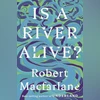 "Rivers as kin, not property: A powerful case for ecological empathy")












 Connect with us on WhatsApp